Scientific and Technological Research Article
Factors associated with the formalization of merchants in Pamplona, Colombia
Factores asociados a la formalización de los comerciantes en Pamplona, Colombia
Nora Marcela Jaimes Méndez1  *, Javier Mauricio Mogollón García1 *, Luis Fernando Restrepo Betancur2 *
ABSTRACT
Introduction: This study aims to identify the factors associated with the formalization of merchants in the municipality of Pamplona, Norte de Santander, before the Cámara de Comercio, la Dirección de Impuestos y Aduanas Nacionales, and the Secretaría de Hacienda for the year 2025. The study addresses the problem of commercial informality and its repercussions on competitive equity, fiscal revenue collection, and institutional development, an issue analysts associate with structural barriers and perceptual factors.
Methodology: A quantitative methodology with explanatory and correlational scope was employed through the application of a survey to 286 merchants and the estimation of a Logit regression model using RStudio.
Results: Institutional, economic, and temporal variables were evaluated and analyzed multivariately through Principal Coordinates Analysis and graph-cluster techniques using Python. The research determined that institutional advisory significantly increases the likelihood of formalization (OR = 6.05), while perceived sanctions, business age, and costs were not statistically significant.
Conclusions: It is concluded that formalization primarily depends on institutional and technical support, as well as the implementation of structured closing strategies aimed at strengthening the transition toward formality.
Keywords: Commerce; financial institutions; informal economy; private sector.
JEL Classification: D21, E26, G28
RESUMEN
Introducción: Este estudio pretende identificar los factores asociados a la formalización de los comerciantes de la municipalidad de Pamplona, Norte de Santander, en la Cámara de Comercio, la Dirección de Impuestos y Aduanas Nacionales y la Secretaría de Hacienda para el año 2025. El estudio da cuenta del problema de la informalidad comercial y sus repercusiones en la equidad competitiva, en la informalidad de la deuda fiscal y en la institucionalidad, problema que los analistas asocian a barreras de la estructura y a la percepción.
Metodología: Se utilizó una metodología de enfoque cuantitativo de alcance explicativo y correlacional, a través de la aplicación de una encuesta a 286 comerciantes y la estimación de un modelo de regresión Logit a través del programa RStudio.
Resultados: Se evaluaron variables institucionales, económicas y temporales, que fueron analizadas de manera multivariada a través del Análisis de Coordenadas Principales y un grafo con clúster en el programa Python. La investigación determinó que el asesoramiento institucional aumenta significativamente la probabilidad de formalización (OR = 6,05), mientras que la percepción de sanciones, la antigüedad del negocio y los costos no resultaron estadísticamente significativos.
Conclusiones: Se concluye que la formalización depende principalmente del apoyo institucional y técnico, así como de la implementación de estrategias estructuradas orientadas a fortalecer la transición hacia la formalidad.
Palabras clave: Comercio; instituciones financieras; sector informal; sector privado.
Clasificación JEL: D21, E26, G28.
Received: 01-05-2026 Revised: 18-09-2026 Accepted: 15-10-2026 Published: 30-10-2026
Editor:
Alfredo Javier Pérez Gamboa
1Universidad de Pamplona. Pamplona, Colombia.
2Universidad de Antioquia. Medellín, Colombia.
How to cite: Jaimes Méndez, N. M., Mogollón García, J. M., & Restrepo Betancur, L. F. (2026). Factores asociados a la formalización de los comerciantes en Pamplona, Colombia. Región Científica, 5(2), 2026644. https://doi.org/10.58763/rc2026644
INTRODUCTION
One of the main challenges to developing the local economy in Colombia is economic informality; this remains a critical issue across Latin America, affecting both sustainable development and tax equity. In the context of local commerce, informality hinders tax collection and prevents formal merchants from reaping the associated benefits or accessing institutional support within small urban clusters. Informality also impacts public finances and formal businesses, as well as the region's productivity and economic livelihood (Galvis-Aponte, 2012). In this regard, formalization is viewed as the primary step in establishing a business entity before the Cámara de Comercio, the Dirección de Impuestos y Aduanas Nacionales (DIAN), and Hacienda. However, this transition to legality depends on a range of institutional, economic, and temporal factors that influence the decisions of economic agents; understanding these dynamics provides the necessary elements for formulating public policies and creating targeted support strategies.
It is essential to note that the relationship between economic formalization and tax culture can generate a positive, reciprocal effect on the development of subnational entities. A consolidated tax culture fosters formalization by raising taxpayer awareness regarding the advantages of operating within the legal framework. In contrast, formalization, in turn, reinforces tax compliance by standardizing tax practices and demonstrating their tangible benefits to society (Oladipo, 2022).
This study aims to examine the determinants of merchant formalization in Pamplona for the year 2025, taking into account the prevailing motivations and barriers. Drawing on institutional economics and structural informality, the study analyzes factors such as institutional guidance, the perception of fines, registration costs, business longevity, and formalization (Pérez Torres, 2022). This study is fundamental to strengthening the formal business sector in Pamplona and to the design of public policies. The research demonstrates that institutional support and technical guidance are decisive factors in formalization; consequently, it advocates for the creation of educational strategies, business mentoring programs, and systems to streamline business support services. The study aims to lay the groundwork for a more equitable, competitive, and sustainable local business environment. Business informality in Pamplona, Norte de Santander, is a phenomenon that negatively impacts the local economy, competitiveness, and the region's tax revenue. Although business formalization is a key requirement for merchants to fully integrate into the institutional economic system, a significant percentage of informal businesses remain unregistered with the Cámara de Comercio, the DIAN, and the Secretaría de Hacienda. This limits the municipality's revenue-collection capacity and distorts the market, placing businesses that comply with the law at a disadvantage.
Informality should be understood not merely as a choice to evade tax obligations, but also as the result of a series of structural factors that keep merchants within the informal economy. These factors include perceptions of high registration costs, complex administrative processes, technological barriers to using institutional platforms, and, above all, a lack of guidance and technical assistance to support the formalization process. It is, therefore, the outcome of an interplay between institutional weaknesses and the economic constraints faced by small businesses (Meneses Requena, 2024).
Furthermore, the coexistence of formal and informal businesses creates an uneven playing field that undermines the principle of equity in the local market; while formalized businesses shoulder tax burdens and regulatory requirements, informal businesses can operate at lower costs, resulting in price advantages and greater operational freedom. This creates an unequal competitive environment that disincentivizes formalization and perpetuates the cycle of informality (Vlachos, 2024).
Moreover, the lack of formalization prevents merchants from accessing institutional benefits such as formal credit, training programs, tax incentives, and business support services. Consequently, informal businesses tend to exhibit slower growth and lower levels of innovation and long-term sustainability (Cárdenas & Rozo, 2009). This, in turn, affects the integration of the business landscape in the city of Pamplona and thereby hinders the region's economic development.
However, empirical evidence suggests that the majority of merchants are willing to formalize if administrative hurdles are reduced and institutional support is increased. This reveals that the issue is not simply a resistance to compliance, but rather that the institutional system fails to offer incentives and provides insufficient support for registration and formalization. For this reason, it is essential to delve deeper into the study of the determinants underlying the decision to formalize (Báez Morales, 2022). The research context focuses on defining the institutional, economic, and time-related factors that influence the potential for merchant formalization in Pamplona in 2025.
Understanding these determinants helps identify strategies to optimize the interaction between local government, fiscal oversight bodies, and the business sector. The aim is not only to increase business formalization but also to contribute to creating a fairer, more competitive, and more sustainable economic environment for the municipality. Accordingly, the following question is posed: What are the institutional, economic, and temporal determinants influencing the likelihood of merchant formalization with the Cámara de Comercio, the DIAN, and the Secretaría de Hacienda in Pamplona, Norte de Santander, during 2025?
Background
In their research, Cárdenas Soto (2014) describes commercial informality as a persistent problem in most countries—particularly those with lower levels of development—thereby significantly affecting their economies. Based on this premise, the author identifies a need to study and understand the underlying causes driving this issue, aiming to make a significant contribution to the sector. Consequently, research was conducted on the primary factors hindering the formalization of grocery businesses in the city of Tingo María, Peru. The study concluded that micro and small enterprises (MSEs) are currently of great importance within the business landscape, as they are major drivers of production and employment; therefore, the State should propose more efficient mechanisms to encourage business formalization, thereby bringing these enterprises within the legal framework and enabling them to generate higher income.
Meanwhile, García Padilla et al. (2020) conducted a study on factors associated with informality among neighborhood stores in the southern zone of Sincelejo, Colombia. The analysis focuses on describing the factors linked to informality in these local shops, employing a quantitative, descriptive research methodology. The results reveal high levels of business and labor informality, a heavy reliance on informal credit due to insufficient working capital, a prevalence of family labor, limited management training, and a marked tendency toward individualism. Collectively, these factors render the establishments highly vulnerable to environmental changes, demonstrating how informality impacts the economic stability and management of neighborhood businesses.
Along similar lines, Calero Lara et al. (2023) describe the factors influencing informal trade and its impact on the final consumer; the study aims to analyze the factors influencing informal trade and their impact on consumer preferences in the Tarqui market in the city of Manta. To achieve this objective, analytical and synthetic methods were employed; according to Rodríguez Cruz (2007), this involves studying facts by breaking down the object of study into its individual parts for separate examination (analysis) and subsequently integrating those parts to study them in a holistic and comprehensive manner (synthesis). Regarding social, economic, and cultural factors, the authors conclude that vendors turn to informal trade due to a lack of stable employment—stemming from their education levels (primary and secondary)—as companies require individuals with higher qualifications. Furthermore, informal vendors face limitations in accessing private banking credit, primarily because they lack a Taxpayer Identification Number (RUC) and records to substantiate their income (Calero Lara et al., 2023). Compounding this is an empirical approach to financial management, where the majority of income is allocated to meeting basic needs and repaying debts. This situation hinders the formalization of their commercial activities and limits consumers' access to products that meet quality and warranty standards.
In line with the above, Quilaguy Ayure and Chaves Coronel (2020) sought to establish a demographic profile of informal food vendors working in the UPZ Chapinero (Bogotá, Colombia), as well as to understand the motivations behind their choice of this work and certain characteristics of their businesses. To this end, a survey was conducted among 52 vendors using an interview-based questionnaire. The study’s results revealed that the primary reason interviewees engaged in informal food sales was a lack of opportunities to secure other employment; furthermore, while most reported being highly satisfied with their work, they remained interested in changing jobs. Regarding working conditions, it was determined that the majority of interviewees owned the businesses where they worked, identified as stationary informal vendors, and lacked employment contracts for their activities.
Economic informality has been addressed by various authors, notably de Soto (1986), whose theory of the informal economy posits that this phenomenon does not arise from choice but rather as a direct consequence of structural obstacles within the legal and economic systems. According to the author, excessive bureaucracy, high formalization costs, and institutional rigidity prevent small-scale merchants from efficiently accessing the legal framework. In this context, informality becomes a survival strategy in the face of an exclusionary institutional environment.
Figure 1.
Concept map on Hernando de Soto's theory of the informal economy

Source: Own elaboration using Lucidchart.
Note: the figure appears in its original language.
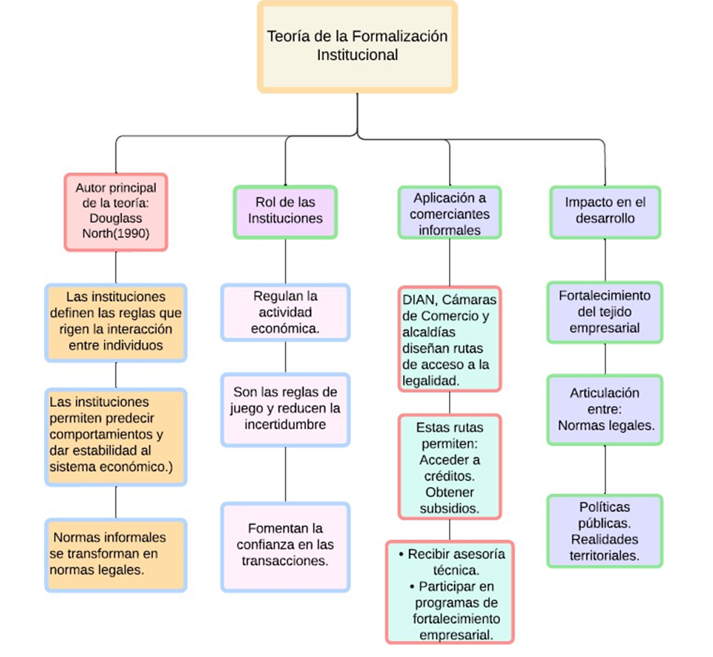
Institutional formalization theory posits that institutions—both formal and informal—play a crucial role in structuring economic activity. From this perspective, formalization is not merely a legal act but a transformation involving the adoption of state-backed norms, practices, and structures. According to North (1990), institutions provide the framework of rules governing the behavior of economic actors, thereby reducing uncertainty and fostering trust in transactions. Regarding informal merchants, this theory helps explain how legal frameworks designed by state bodies—such as the DIAN, Cámaras de Comercio, and municipal governments—establish pathways to legality that extend beyond mere regulatory compliance. These pathways aim to integrate merchants into formal systems, granting them access to benefits such as credit, subsidies, technical assistance, and business strengthening programs.
Furthermore, the theory highlights that the effectiveness of formalization pathways depends on institutional capacity to create incentives, provide technical support, and reduce the bureaucratic barriers that limit access for small-scale merchants. Thus, the formalization process becomes a local economic development strategy, wherein the strengthening of the business ecosystem relies on the alignment of regulations, public policies, and local realities.
Figure 2.
Concept map on the theory of institutional formalization
Source: Own elaboration using Lucidchart.
Note: The figure appears in its original language.
METHODOLOGY
The study aimed to identify the determinants of business formalization in Pamplona, Norte de Santander, for the year 2025, employing a quantitative method with an explanatory and correlational scope. This methodological approach enables the use of various statistical and econometric tools—combined with diverse analytical perspectives—to conduct an in-depth analysis of the relationships among institutional, economic, and temporal variables, in accordance with current quantitative methodological standards.
The research design involved developing and administering a survey to merchants in the urban center of Pamplona, covering both those with formalized businesses and those without. The data collected facilitated the creation of a database that characterized the businesses and systematized variables regarding perceptions, barriers, incentives, and circumstances associated with formalization before the Cámara de Comercio, the DIAN, and the Secretaría de Hacienda.
For the econometric analysis, a Logit regression model was estimated, with the merchant's formalization status serving as the dependent variable (0 = Not formalized; 1 = Formalized). Independent variables included institutional factors (advice received and perception of sanctions), economic factors (perception of business registration costs), and temporal factors (business age). The model was estimated using RStudio, allowing for the assessment of the probability of formalization based on the selected predictors.
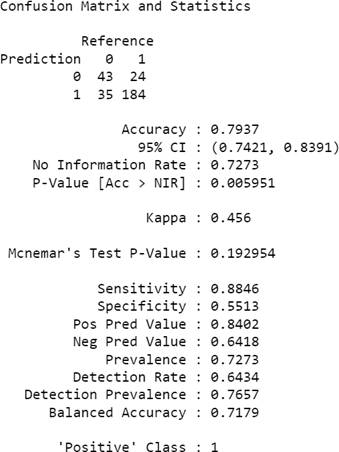
Statistical validation of the model included a multicollinearity test using the Variance Inflation Factor (VIF); values remained below 2, indicating independence among the predictors. Goodness-of-fit was assessed using McFadden’s pseudo-R² (0.25) and residual deviance, demonstrating an adequate fit. Predictive capacity was evaluated using a confusion matrix, yielding an overall accuracy of 79.37%, a sensitivity of 88.46%, and a specificity of 55.13%. Average marginal effects (AME) were calculated as a supplementary measure to interpret the percentage impact of each variable on the probability of formalization.
Additionally, to structurally analyze the qualitative relationships between commercial modalities, Principal Coordinate Analysis (PCA) was employed using a force-repulsion algorithm, enabling the projection of response categories onto a two-dimensional space. This method converts qualitative co-occurrence distances into geometric coordinates, allowing each category to function as a node within a dynamic graph. Subsequently, multivariate graph analysis combined with clustering techniques was used to identify significant groupings among variables and/or incentives. This analysis was conducted using a Python package within the Google Colab environment, which maximizes visual data readability without compromising data integrity.
The municipality of Pamplona recorded 7,016 merchants. Based on this population, the sample size was determined using the statistical formula for finite populations, with a 95% confidence level, a proportion of 0.5, and a 5% margin of error. The theoretical sample size for this case was 341 merchants. However, due to logistical constraints and response rates, the fieldwork yielded 286 valid surveys collected via non-probabilistic convenience sampling. The data obtained from the sample were sufficient and consistent for the statistical and econometric analysis performed.
Combining econometrics and multivariate analysis allowed business formality to be framed as a multidimensional phenomenon, integrating robust empirical evidence with a structural network representation of the incentives and barriers within Pamplona's commercial ecosystem.
Once the merchants' responses were recorded in the database, analysis proceeded via the estimation of a Logit regression model, in which the dependent variable was the merchant's formalization status (0 = NO; 1 = YES). Independent variables included institutional factors (advisory services, sanctions), economic factors (perceived registration costs), and temporal factors (business tenure).
The basic formulation of the model is as follows:
The model was estimated using RStudio statistical software, and its validation included the following tests:
Multicollinearity
The Variance Inflation Factor (VIF) was applied; values below 2 were found for all variables, indicating independence among predictors.
|
Table 1. VIF (Variance Inflation Factor) |
|
|
Variable |
vif_vals |
|
Advisory services |
1.033607 |
|
Sanctions |
1.035570 |
|
Costs |
1.004973 |
|
Seniority |
1.007387 |
|
Source: own elaboration using RStudio. |
|
Goodness of fit
McFadden's pseudo-R² (0.25) and residual deviance were used, both of which indicated an adequate model fit.
|
Table 2. Goodness-of-fit measures of the logit model |
|
|
Indicator |
Value |
|
Model log-likelihood (llh) |
-125.75 |
|
Null model log-likelihood (llhNull) |
-167.58 |
|
G2 statistic |
83.66 |
|
McFadden's pseudo-R² |
0.2496 |
|
ML pseudo-R² |
0.2536 |
|
Gragg & Uhler's pseudo-R² |
0.3674 |
|
Source: own elaboration. |
|
Predictive accuracy
The model's performance was evaluated using a confusion matrix, achieving an overall accuracy of 79.37%, a sensitivity of 88.46%, and a specificity of 55.13%.
Figure 3.
Predictive accuracy
Source: own elaboration.
Marginal effects
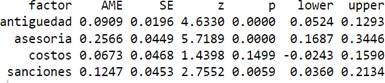
Average Marginal Effects (AME) were calculated to interpret the average percentage impact of each variable on the probability of formalization.
Figure 4.
Average Marginal Effects (AME)
Source: own elaboration using RStudio
The total population consists of 7,016 merchants in the municipality of Pamplona, Norte de Santander; given this, the statistical formula for sample size will be applied.

Where:
N = 7,016 (population size); Z = 1.96 (for 95% confidence)
p = 0.5 (expected proportion, most conservative value); e = 0.05 (margin of error, i.e., 5%)
And upon application and substitution, the result is:
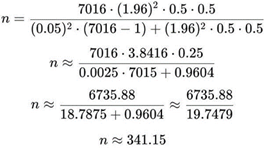
Therefore, it was determined that a sample of 341 businesses—calculated based on a 95% confidence level—would be used for this study.
Although the calculated sample size was 341 merchants, the fieldwork yielded 286 valid surveys. This discrepancy is attributed to logistical and operational factors, such as low response rates in certain sectors and the refusal of some merchants to participate. Given these circumstances, a non-probabilistic convenience sampling approach was adopted, focusing on accessible merchants in key areas of the municipality. Despite this limitation, the resulting sample provides valuable information for analyzing the factors influencing business formalization within the local context.
RESULTS AND DISCUSSION
Reasons why merchants in Pamplona do not formalize their status with institutions
As the theory explains, formalization in Pamplona, Norte de Santander, directly affects tax collection capacity, merchants' access to training and state programs, and even processes for sustainable growth; thus, formalization entails not only compliance with legal obligations but also the integration of merchants into a competitive and inclusive economic system.
Figure 5.
Distribution of merchant registration in Pamplona with the DIAN, Cámara de Comercio and Secretaría de Hacienda

Source: own elaboration using Google Forms.
Note: the graph appears in its original language.
A high proportion of merchants are found to be unregistered with the relevant local authorities. This finding suggests the persistence of informal practices within the sector under analysis, which may be linked to factors such as barriers to accessing formalization processes, a lack of awareness regarding legal requirements, or economic constraints. In this regard, the results provide a significant starting point for a deeper analysis of the determinants of informality and its impact on local economic development.
Figure 6.
Main barriers to business formalization

Source: own elaboration using Google Forms.
Note: the graph appears in its original language.
Among the most frequently cited obstacles are: the lack of technical support during the formalization process, technological barriers to using institutional platforms, the perception of high costs associated with business registration, and—in some cases—the belief that formalization is unnecessary. These findings align with the views of authors such as de Soto (1986), who argues that informality is not a matter of choice but rather a response to an institutional environment that hinders legal access.
Figure 7.
Support received by merchants during the formalization process

Source: own elaboration using Google Forms.
Note: the graph appears in its original language.
Furthermore, a significant proportion of respondents have not received guidance from any entity, reflecting weak institutional coordination within the commercial sector of Pamplona. This lack of guidance contributes to merchants being unaware of the necessary steps and the benefits associated with formalization—such as access to credit, business strengthening programs, and the potential for growth within the legal framework.
Figure 8.
Willingness to formalize the business under better conditions

Source: own elaboration.
Note: the graph appears in its original language.
It is important to note that many merchants indicate a willingness to formalize their operations if the procedures were simpler and the costs were lower. This suggests the existence of latent conditions for a transition to formality, provided that mechanisms are implemented to reduce administrative and economic barriers—consistent with North’s (1990) theory regarding the role of institutions in reducing uncertainty and facilitating economic activity.
Finally, it is observed that the business's longevity directly influences formalization; establishments operating for more than five years are more likely to be registered. This trend will be analyzed in greater depth using the econometric logit model planned for the study's next phase, which will allow for the identification of the statistical significance of variables such as institutional guidance, the perception of sanctions, registration costs, and the duration of business operations.
In conclusion, a clear picture emerges regarding the main perceived causes hindering business formalization in Pamplona: a lack of technical support during the formalization process, technological barriers to using institutional platforms, the perception of high commercial registration costs, the belief that formalization is unnecessary, and insufficient institutional support. It is confirmed that the issue is not limited to tax evasion but is deeply linked to deficiencies in institutional support, the perception of high costs, and a lack of clear incentives. These findings will serve as a basis for formulating improvement strategies in the final phase of this research.
Analysis and discussion of the effect of institutional, economic, and temporal factors on commercial formalization
Presented below is a descriptive matrix summarizing the key elements involved in constructing the logit model. This matrix illustrates the relationship between the survey questions and the variables included in the model, specifying their coding, nature, analytical dimension, and distribution within the database. The information contained in this matrix facilitates an understanding of the factors considered and supports the methodological coherence between the collected data and the results obtained.
|
Table 3. Variable selection matrix |
||||
|
Variable |
Survey question |
Type |
Dimension |
Coding |
|
Formalized |
Is the business registered with any entity? |
Binary |
1=YEs; 0=NO
|
Dependent |
|
Advisory services |
Have you received any advisory services? |
Binary |
1=YES; 0=NO |
Institutional |
|
Costs |
Did you identify "high costs" as a barrier? |
Binary |
1=YES; 0=NO |
Economic |
|
Sanctions |
Do you view sanctions as a reason to formalize the business? |
Binary |
1=YES; 0=NO |
Institutional |
|
Seniority |
How long ago did you open the business to the public? |
Ordinal |
<1, 1-3,3-5,>5 |
Temporary |
|
Source: own elaboration based on Google Forms results |
||||
It is imperative to understand why some merchants decide to take the step toward formalization while others remain in the informal sector; this represents a key challenge for designing effective intervention strategies in local contexts. In the case of Pamplona, empirical evidence derived from the estimated logit model makes it possible to identify variables that significantly influence the likelihood of formalization.
The results show that institutional factors—such as having received advisory services—are positively associated with the decision to formalize, considerably increasing the probability of belonging to the formal sector. Similarly, the business's longevity plays a relevant role: the longer a business has been serving the public, the greater the willingness or likelihood of complying with formal requirements. This trend suggests that time allows merchants to consolidate their operations, better understand the benefits of formality, and manage the associated costs.
Figure 9 and Table 4 below present the results obtained from the logit model regression, identifying the statistically significant variables that explain the likelihood of a merchant transitioning from the informal to the formal sector.
Figure 9.
Logistic Regression

Source: own elaboration.
|
Table 4. Odds ratio of the logit model |
|
|
Variable |
Odds Ratio |
|
(Intercept) |
0.1403699 |
|
advisory services |
6.0536189 |
|
sanctions |
2.3983888 |
|
costs |
1.6037396 |
|
seniority |
1.8917973 |
|
Source: own elaboration using RStudio. |
|
Based on the results obtained from the logit model, the "advisory services" variable proves to be statistically significant (β = 1.80; p < 0.01). This indicates that receiving institutional advice or support increases the probability of formalization by approximately 6.05 times compared to those who have received no such assistance. This finding validates the theory of institutional formalization, which highlights how support can bridge the gap between informal and formal business sectors. A similar pattern emerged regarding the "sanctions" variable—defined here as merchants' perceptions of potential legal penalties or business closures resulting from a lack of proper formalization. This variable yielded a positive, significant coefficient (β = 0.87; p < 0.01), demonstrating that awareness of potential sanctions can serve as an incentive for merchants to transition from informality to formal status.
Conversely, the variable representing high commercial registration costs was found to be statistically insignificant (p > 0.05), despite results showing a 1.6-fold increase in the probability of formalization. While this might seem counterintuitive—given the assumption that high registration costs would hinder formalization—the observed positive effect appears linked more to cost awareness than to an actual barrier, as many already-formalized merchants also reported this perception. Consequently, since the variable was not significant, the results regarding high costs cannot be said to confirm the hypothesis proposed by de Soto (1986).
Regarding the merchants' length of time in business, the variable was found to be statistically significant. This demonstrates that businesses that have been open to the public for a shorter period are more likely to lack formal registration with the relevant institutions. Conversely, merchants with greater longevity show a greater inclination toward formalization; specifically, businesses operating for more than five years are 1.89 times more likely to be formally registered.
In addition to the coefficients estimated in the previous section, average marginal effects (AME) were calculated to better interpret the results. Merchants who received guidance have, on average, a 25.6% higher probability of being formalized compared to those who did not. Similarly, the perception of potential sanctions was positively associated with the likelihood of formalization, with effects exceeding 12% in this instance.
Finally, business tenure demonstrated a cumulative effect; that is, merchants who have kept their businesses open to the public longer—or possess more years of experience—show a significantly higher probability (9%) of being formalized.
Based on the results described in the previous section, it is evident that institutional factors and perceptions play a significant role in the formalization process. Specifically, the provision of institutional guidance notably increases the likelihood of formalization. Furthermore, the perception of potential sanctions acts as an incentive, as the fear of legal consequences appears to drive many merchants to regularize their activities. Business tenure also shows a positive relationship with formalization; businesses that have been operating longer tend to be more aligned with institutional requirements. In contrast, regarding the costs associated with commercial registration, no evidence was found to suggest they significantly influence the decision to formalize, even though many individuals perceive them as high.
Meanwhile, the multidimensional correspondence analysis reveals a deeply interconnected business landscape in Pamplona, where the willingness to formalize is not an isolated factor but the result of a network of shared incentives and barriers. The Cámara de Comercio and the DIAN show that the commercial registry and the Single Tax Registry (RUT) are the statistical gravitational axes associated with local business identity, acting as necessary channels towards any modernization process. A critical, strong correlation is evident between the willingness to formalize operations and the demand for reduced administrative costs; this suggests that merchants in Pamplona hold a pragmatic attitude, desiring legality only insofar as it does not compromise immediate financial viability. Perceived benefits—such as customer trust—are intrinsically linked to tax compliance, forming a cluster associated with both business survival and prestige. Meanwhile, the dispersion of peripheral business models (highlighted in bright colors) reveals market niches that, despite lying outside the institutional core, maintain latent ties to the need for personalized technical guidance. The neural map confirms that, to boost formalization within the sector, institutions must address the high costs that hinder a more effective dynamic of business formalization. See Figure 10.
Figure 10.
Multidimensional analysis of commerce in Pamplona

Source: own elaboration.
Note: the figure appears in its original language.
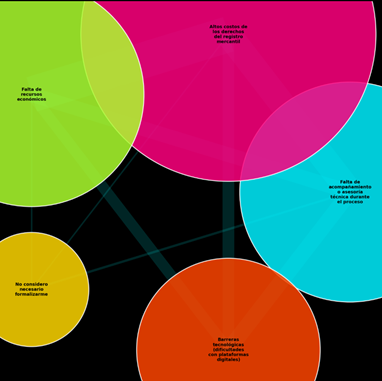
The graphical analysis identifies specialized technical assistance and institutional support as the primary factors hindering commercial formalization in Pamplona. Cluster analysis reveals a strong correlation between the survival of retail businesses and the need for asymmetric regulation vis-à-vis large-scale retail outlets; merchants prioritize competitive equity over administrative simplification. Formalization in Pamplona is shaped by a multilevel governance model in which the transfer of industry-specific knowledge serves as a vital bridge to mitigate the risk of business failure. The stability of the productive sector hinges on a guided transition that transforms the regulatory burden into a strategic asset, validating the roles of academia and government as facilitators of a modernized, technology-enabled commercial environment. See Figure 11.
Figure 11.
Factors that have made formalization difficult
Source: own elaboration.
Note: the figure appears in its original language.
Multidimensional analysis—using graph representation and cluster analysis—regarding the formalization of merchants in Pamplona, Norte de Santander, reveals several key characteristics. Fiscal flexibility and administrative simplification emerge as the most statistically significant factors, demonstrating that local merchants directly link legal status to the viability of their operating costs. The color-coded clusters highlight a critical interconnection between institutional strengthening and the urgent need for educational campaigns; this suggests that current government bureaucracy is perceived more as a punitive barrier to business development than a support system. Small merchants also express concern regarding the expansion of large regional chains, a sentiment that correlates with calls to protect the local market through more equitable regulation. Formalization is not an isolated process but a multidimensional phenomenon requiring genuine coordination among government, universities, and trade associations to transform the commercial culture. Solutions must be as comprehensive as the grievances themselves: fewer administrative procedures, fees scaled to business size, and technical support that goes beyond mere revenue collection. Furthermore, tax rates should be aligned with the size of the business (Figure 12).
Figure 12.
Commercial formalization proposals

Source: own elaboration.
Note: the figure appears in its original language.
CONCLUSIONS
An analysis of merchants' perceptions regarding the reasons for not formalizing their status with local institutions revealed that this is not merely a voluntary decision; there are also factors limiting access to formalization. Identified factors include a lack of institutional guidance, a lack of knowledge regarding regulations, and high costs, among others—all of which point to weak institutional coordination.
The results indicate that the formalization process for merchants in Pamplona, Norte de Santander, is influenced by institutional, economic, and temporal factors. Guidance stands out as the most decisive element; observations show that receiving support significantly increases the likelihood of formalization, thereby validating the theory of institutional formalization. A similar pattern emerges regarding the perception of potential legal sanctions: the fear of facing legal consequences is associated with a higher probability of formalization. Conversely, while high commercial registration costs were initially viewed as a barrier, they did not prove statistically significant, suggesting that these findings refute the "high costs" theory.
Furthermore, the analysis of business longevity showed a positive influence: merchants who have kept their businesses open to the public for longer periods are more likely to be formalized—with a moderately significant probability—compared to businesses that have been operating for a shorter time. Consequently, these results underscore the need to strengthen institutional guidance channels, raise awareness about legal consequences, and design specific strategies to support recently opened businesses in their transition toward formality.
To propose improvement actions for informal merchants based on the results of the survey, the study considered findings highlighting the need to strengthen institutional advisory and support processes. The results indicated that merchants would be more willing to formalize their operations if greater support were available; consequently, an instructional guide is being proposed to relevant institutions—specifically the Cámara de Comercio, the DIAN, and the Secretaría de Hacienda. The aim is to simplify the formalization process, thereby contributing to a more equitable and inclusive business environment in the municipality of Pamplona.
This research achieved a positive impact on the business landscape of Pamplona; fieldwork involved educating merchants on the importance and benefits of registering their businesses with state agencies and achieving legal formalization, which encouraged them to take steps toward formalizing their operations. Furthermore, business owners expressed a willingness to formalize under improved conditions. Observations also revealed that merchants view high costs as a barrier to formalization and that increased institutional guidance and support raise the likelihood of businesses becoming formalized.
REFERENCES
Báez Morales, A. (2022). Diferencias de eficiencia entre micronegocios formales e informales en México. Análisis Económico, 37(96), 181-200. https://doi.org/10.24275/uam/azc/dcsh/ae/2022v37n96/baez
Calero Lara, M. G., Tachong Alencastro, L. E., Vite Manzo, L. A., & Bravo Verduga, J. E. (2023). Estudio de factores que influyen en el comercio informal y su impacto en la preferencia del consumidor / Study of factors that influence informal commerce and its impact on consumer preference. LATAM Revista Latinoamericana de Ciencias Sociales y Humanidades, 4(3), 1295–1314. https://doi.org/10.56712/latam.v4i3.1151
Cárdenas Soto, R. L. (2014). Principales factores que limitan la formalización del comercio de la venta de abarrotes en la ciudad de Tingo María. Repositorio Institucional UNAS. https://hdl.handle.net/20.500.14292/382
Cárdenas, M., & Rozo, S. (2009). Informalidad empresarial en Colombia: problemas y soluciones. Desarrollo y Sociedad, (63), 41–68, 211-243. http://www.scielo.org.co/scielo.php?pid=S0120-35842009000100006&script=sci_abstract&tlng=pt
de Soto, H. (1986). El otro sendero: La revolución informal. Editorial El Barranco.
Galvis-Aponte, L. A. (2012). Informalidad laboral en las áreas urbanas de Colombia (Documentos de Trabajo Sobre Economía Regional y Urbana, No. 164). Banco de la República. https://doi.org/10.32468/dtseru.164
García Padilla, A. L., Feria Mejía, Y. P., & Oviedo Pinzón, C. A. (2020). Cuantificación de los costos y gastos de la formalización empresarial en las tiendas de barrio en la zona sur de Sincelejo. Corporación Universitaria del Caribe – CECAR. https://repositorio.cecar.edu.co/entities/publication/b818ef24-b95a-43c0-90e9-14c397237990
Meneses Requena, Y. E. (2024). XXVI Encuentro Nacional de Investigación. Fondo Editorial Universidad Católica Luis Amigó. https://doi.org/10.21501/2463-0004.202
North, D. C. (1990). Institutions, Institutional Change and Economic Performance. Cambridge: Cambridge University Press. https://doi.org/10.1017/CBO9780511808678
Oladipo, O., Ogunjobi, J., & Eluyela, D. (2022). The impact of ethical tax behavior on tax compliance of tax authorities and corporate taxpayers of listed manufacturing companies in Nigeria. Academia Letters, (4698). https://doi.org/10.20935/AL4698
Pérez Torres, F. J. (2022). Ocupación informal y formal en Colombia, equilibrios de largo plazo y principales causas históricas (2001-2019): Un análisis vectorial de corrección de errores. Tiempo & Economía, 9(1), 41–103. https://doi.org/10.21789/24222704.1690
Quilaguy Ayure, D. M., & Chaves Coronel, J. A. (2020). Caracterización de vendedores informales de alimentos ubicados en el espacio público de la UPZ Chapinero. Cuadernos de vivienda y Urbanismo, 13, 1–15. https://doi.org/10.11144/Javeriana.cvu13.cvia
Rodríguez Cruz, F. N. (2007). Generalidades acerca de las técnicas de investigación cuantitativa. Paradigmas: Una Revista Disciplinar de Investigación, 2(1), 9–39. https://dialnet.unirioja.es/servlet/articulo?codigo=4942053
Vlachos, V. (2024). The effect of informal competition on the performance of formal firms: a systematic review of the literature. International Journal of Sociology and Social Policy, 44(11-12), 941–954. https://doi.org/10.1108/IJSSP-10-2023-0243
FINANCING
The authors received no funding for the development of this research.
CONFLICT OF INTEREST STATEMENT
The authors declare that there is no conflict of interest.
ARTIFICIAL INTELLIGENCE USE STATEMENT
No se utilizó IA en el desarrollo del artículo.
AUTHORSHIP CONTRIBUTION
Conceptualization: Nora Marcela Jaimes Méndez, Javier Mauricio Mogollón García, Luis Fernando Restrepo Betancur.
Data curation: Nora Marcela Jaimes Méndez, Javier Mauricio Mogollón García, Luis Fernando Restrepo Betancur.
Formal analysis: Nora Marcela Jaimes Méndez, Javier Mauricio Mogollón García, Luis Fernando Restrepo Betancur.
Investigation: Nora Marcela Jaimes Méndez, Javier Mauricio Mogollón García, Luis Fernando Restrepo Betancur.
Methodology: Nora Marcela Jaimes Méndez, Javier Mauricio Mogollón García, Luis Fernando Restrepo Betancur.
Supervision: Nora Marcela Jaimes Méndez, Javier Mauricio Mogollón García, Luis Fernando Restrepo Betancur.
Validation: Nora Marcela Jaimes Méndez, Javier Mauricio Mogollón García, Luis Fernando Restrepo Betancur.
Visualization: Nora Marcela Jaimes Méndez, Javier Mauricio Mogollón García, Luis Fernando Restrepo Betancur.
Writing – original draft: Nora Marcela Jaimes Méndez, Javier Mauricio Mogollón García, Luis Fernando Restrepo Betancur.
Writing – proofreading and editing: Nora Marcela Jaimes Méndez, Javier Mauricio Mogollón García, Luis Fernando Restrepo Betancur.