doi: 10.58763/rc2026588
Scientific and Technological Research
Impact of Universal Design for Learning on the emotional well-being and learning of higher education students
Impacto del Diseño Universal para el Aprendizaje en el bienestar emocional y aprendizaje de estudiantes de educación superior
Graciela Madrigal Chaves1  *, Daniela Rodríguez Valerio1 *
ABSTRACT
Objective: This study aimed to analyze the impact of Universal Design for Learning (UDL) on the emotional well-being and learning of higher education students who participated in highly virtual courses during the 2024 academic year at the University of Costa Rica.
Methodology: A qualitative approach was used, including techniques such as a bibliographic review, an expert interview, two focus groups with high school and undergraduate students who experienced the application of UDL principles in their classes, and a group interview conducted at the conclusion of a UDL-based didactic intervention workshop for high school students.
Results: UDL promotes curriculum flexibility and inclusive education by offering diverse ways to access content, actively participate in learning, and express acquired knowledge, contributing to improving students’ learning and emotional experience in the classroom. Elements such as gamification reinforce UDL by including strategies that engage students through playful and participatory dynamics.
Conclusions: There is limited research on the application of UDL within the university setting, and it is highlighted that this educational framework has a positive impact by facilitating the acquisition of knowledge in a more meaningful and enriching way. UDL promotes students’ emotional well-being by generating an environment in which they feel understood, supported, and confident. This not only fosters academic learning but also creates educational spaces that integrate emotional support, which promotes a satisfactory and inclusive educational experience.
Keywords: emotional education, inclusive education, universal design for learning, university teaching.
JEL Classification: I23; I21.
RESUMEN
Objetivo: Este estudio tuvo como propósito analizar el impacto del Diseño Universal para el Aprendizaje (DUA) en el bienestar emocional y aprendizaje de estudiantes de educación superior que participaron en cursos con un alto grado de virtualidad durante el II ciclo 2024 en la Universidad de Costa Rica.
Metodología: Se empleó un enfoque cualitativo que incluyó el uso de técnicas como revisión bibliográfica, una entrevista a experto, dos grupos focales aplicados a estudiantes de bachillerato y licenciatura que experimentaron la aplicación de los principios del DUA en sus clases y una entrevista grupal que se realizó al concluir un taller de intervención didáctica basado en DUA dirigido a estudiantes del nivel de bachillerato.
Resultados: El DUA fomenta la flexibilización del currículo y una educación inclusiva, ofreciendo diversas formas para acceder al contenido, participar activamente en el aprendizaje y expresar los conocimientos adquiridos, contribuyendo a mejorar el aprendizaje de las personas estudiantes y su experiencia emocional en el aula. Elementos como la gamificación refuerzan el DUA al incluir estrategias que comprometen al estudiantado a partir de dinámicas lúdicas y participativas.
Conclusiones: Se evidencia una limitada cantidad de investigaciones sobre la aplicación del DUA dentro del ámbito universitario y se destaca que este marco educativo tiene un impacto positivo, al facilitar la adquisición de conocimientos de manera más significativa y enriquecedora. El DUA favorece el bienestar emocional de las y los estudiantes, generando un ambiente en el que se sienten comprendidos, apoyados y en confianza, porque no solo favorece el aprendizaje académico, sino que también crea espacios educativos que integran el apoyo emocional, lo cual promueve una experiencia educativa satisfactoria e inclusiva.
Palabras clave: Diseño universal para el aprendizaje, educación emocional, educación inclusiva, enseñanza universitaria.
Clasificación JEL: I23; I21.
Submitted: 07-07-2025 Revised: 18-10-2025 Accepted: 15-12-2025 Published: 02-01-2026
Editor:
Alfredo Javier Pérez Gamboa
1Universidad de Costa Rica. San José, Costa Rica.
Cite as: Madrigal Chaves, G. y Rodríguez Valerio, D. (2026). Impacto del Diseño Universal para el Aprendizaje en el bienestar emocional y aprendizaje de estudiantes de educación superior. Región Científica, 5(1), 2026588. https://doi.org/10.58763/rc2026588
INTRODUCTION
In antiquity, education was reserved for the elites and focused on the transmission of knowledge and oral tradition; it was hierarchical, offering little flexibility for innovation or the development of life skills. However, education has become more humanized over the years, evolving alongside new research emerging from fields such as neuroscience and pedagogy. Furthermore, the rise of Information and Communication Technologies (ICT) has brought about a transformation in teaching and learning processes. Today, the educational landscape is different—more humanized and student-centered—recognizing students as individuals with emotions and expectations regarding their educational journey, and acknowledging that they possess unique learning needs and preferences. Moreover, we now have access to a wider array of tools and information to guide learning processes and ensure that education is both inclusive and meaningful.
Thus, in response to this reality, Universal Design for Learning (UDL) was developed. According to Cortés Díaz et al. (2021), this educational framework proposes a flexible curricular design—specifically regarding assessment, methods, and materials—founded on the premise that education is a fundamental human right. Furthermore, UDL offers a practical and theoretical framework for addressing diversity through an inclusive approach that acknowledges the specific requirements and individual differences of students (Gamboa Sandoval, 2024).
Therefore, in light of the context outlined above, the objective of this study was to analyze the potential impact of Universal Design for Learning (UDL) on the emotional well-being and academic learning of university students enrolled in courses with a high degree of virtuality. Consequently, the principles of UDL were applied to classes within the Bachelor’s and Licentiate programs in Library Science—specifically the courses BI-4012 *Information Marketing* (Bachelor’s) and BI-5017 *Marketing of Services and Products for Educational Information Units* (Licentiate)—during the second semester of 2024. Furthermore, these principles were also taken into account during the development of a pedagogical intervention workshop aimed at students enrolled in the course BI-4005 *Seminar-Workshop on Educational Libraries* (Bachelor’s), also during the second semester of 2024. Subsequently, students were approached to ascertain their perceptions regarding the UDL framework and the impact it had on their emotional well-being and learning. Concurrently, to triangulate and validate this information, a literature review was conducted, and an expert was interviewed—in accordance with the best practices outlined by Borjas García (2020) for enhancing the reliability and validity of data collected during research.
THEORETICAL FRAMEWORK
Fundamentals of Universal Design for Learning
Universal Design for Learning (UDL) is an instructional framework that seeks to address diversity in educational settings through curriculum accessibility, recognizing that classrooms bring together students of different ages, from diverse cultural and social backgrounds, and with educational needs that may also vary. The purpose of UDL is to enhance student learning by facilitating access to content and the curriculum through instructional materials and technologies applied for specific purposes (Alba Pastor et al., 2015). According to Figueroa Zapata et al. (2019), UDL aims to foster flexible pedagogical processes that adapt to the requirements and learning styles of all students; furthermore, it takes into consideration the emotional component of the teaching-learning process.
History and evolution of Universal Design for Learning
Universal Design for Learning stems from the concept of Universal Design (UD), formulated in the 1980s by architect Ronald L. Mace, who argued that spaces should be conceived to be accessible to all people without the need for additional modifications (Alba Pastor, 2012). UD integrates seven principles to guide the design of accessible products, services, and environments—principles that served as the foundation for applying the universal design paradigm to education (Alba Pastor et al., 2015).
Thus, UDL draws upon the principles of universal design but originated, as a distinct framework, from research conducted since the 1980s by the Center for Applied Special Technology (CAST). Its founders are David H. Rose (a developmental neuropsychologist) and Anne Meyer (an expert in education, clinical psychology, and graphic design), who developed the UDL framework grounded in the latest advances in neuroscience applied to learning, educational media, and technology (Segura-Castillo & Quirós-Acuña, 2019).
Principles of Universal Design for Learning
According to Sewell et al. (2022), UDL consists of three principles associated with three psychoneurological networks:
Principle I: Provide Multiple Means of Engagement: Students must understand the objective of their classes and the utility that the content and activities hold for their education. According to UDL, maintaining this practice fosters effort, persistence, autonomy, and motivation toward the classes. The aim is to answer the “why” of learning; this relates to the functioning of affective neural networks, which specialize in assigning emotional significance to situations (Hernández Barahona, 2023; Ruiz Bel et al., 2012).
Principle II: Provide Multiple Means of Representation: Content should be presented in diverse forms—whether through text, oral delivery, or the use of audiovisual materials—because students possess different ways of assimilating information (some are visual, others auditory, and/or kinesthetic). Therefore, educators must strive to employ multiple media and strategies to facilitate pedagogical mediation and ensure that students assimilate the learning material. The aim is to answer the “what” of learning; this is linked to the functioning of recognition neural networks, which are responsible for interpreting and recognizing information (Hernández Barahona, 2023; Ruiz Bel et al., 2012).
Principle III: Provide Multiple Means of Action and Expression: The ways in which students interact with information vary, as do the ways in which they express what they have learned; consequently, they require access to different alternatives for completing their assignments and demonstrating their results—that is, for answering the “how” of learning. This principle is linked to the functioning of strategic neural networks, which generate motor patterns, actions, and goals (Alba Pastor, 2012; Ruiz Bel et al., 2012). Table 1 summarizes the neural networks involved in UDL and the principles linked to each of them:
|
Table 1. Involved neural networks and the principles associated with each of them |
||
|
Networks |
Guiding Principles |
Questions for Pedagogical Mediation |
|
Affective Networks |
Provide multiple means of engagement |
The “Why” of Learning |
|
Recognition Networks |
Provide multiple means of representation |
The “What” of Learning |
|
Strategic Networks |
Provide multiple means of action and expression |
The “How” of Learning |
Source: own elaboration
Strategic networks are activated when the executive functions that facilitate learning processes come into play. Recognition networks make sense of received information, while affective networks enable the individual to assign emotional significance to it; that is, the latter mediate the relevance attributed to the received information and also influence motivation and interest regarding the teaching-learning process (Arathoon, 2016; Gamboa Sandoval, 2024; García-Campos et al., 2020).
Universal Design for Learning (UDL) in higher education
UDL is applicable at all educational levels and in any context requiring a teaching-learning process (Gordon, 2024). Elizondo Carmona (2020) notes that UDL is embedded in many public policies in Spain and the United States, contextualized within K-12 education, higher education, and educational technology, and applied in workplace settings. However, for this article, it was important to focus on the university setting, as this is the context in which the present research was conducted.
According to García-Campos et al. (2020), implementing UDL in the university context offers the opportunity to develop an accessible curriculum that is open to diversity in the organization, design, development, and monitoring of teaching-learning processes. Furthermore, it provides instructors and students with greater flexibility in their educational processes by engaging them in collaborative, critical, and reflective classroom dynamics, with the goal of developing competencies that foster inclusive education adapted to the wide variability present in the classroom.
According to Díez Villoria and Sánchez Fuentes (2015), there is limited research regarding the utility of UDL in the university setting. However, some studies have revealed a positive correlation between the level of implementation of its principles and students’ comprehension of course material. Additionally, it has been found that students enrolled in courses that implement UDL report experiencing more positive emotions and demonstrating greater engagement with their coursework.
Elizondo Carmona (2020) proposes several more specific guidelines to follow in order to promote the principles of UDL. The author emphasizes that these guidelines should not be viewed as a checklist, but rather selected based on the specific objectives one aims to achieve. These guidelines are presented below:
Principle I: Provide Multiple Means of Engagement:
• Provide options for capturing interest: Understanding students’ interests allows educators to amaze them, capture their attention, and spark their curiosity and desire to learn.
• Optimize individual choice and autonomy: Involve students in setting their own goals and objectives.
• Optimize relevance, value, and authenticity: Plan pertinent and relevant activities that can be carried out in a natural setting.
• Minimize threats and distractions: Maintain a welcoming classroom climate where work is conducted collaboratively, while respecting interpersonal relationships.
• Provide options for sustaining effort and persistence: Highlight the relevance of goals and objectives; provide rubrics and success indicators; clearly communicate learning intentions; offer ongoing feedback; help students reflect on and learn from their mistakes; and foster communication and collaboration.
• Provide options for self-regulation: Begin with guided and directed work—where the teacher sets the guidelines—and progressively grant students greater autonomy within their learning process.
Principle II. Provide Multiple Means of Representation:
• Provide options for perception: offer different ways to visualize information—for example, by varying font size and type, and by presenting content through images, charts, infographics, audio recordings, and other resources.
• Provide options for language and symbols: clarify vocabulary and symbols by creating glossaries, defining terms, and utilizing images and footnotes.
• Provide options for comprehension: take into account students’ prior knowledge and offer guides to help them organize, consolidate, and reinforce their learning. This can be achieved through the use of graphic organizers, mind maps, study guides, and interactive images (Elizondo Carmona, 2020).
Principle III. Provide multiple means of action and expression:
• Provide options for physical action: Printed formats can act as a barrier to learning; therefore, the use of recording devices, Braille, voice-activated tools, sign language, and other resources may be required to enable all individuals to explore and express what they know.
• Provide options for executive functions: Educators must grade tasks from greater to lesser difficulty, provide simple and clear instructions, and support the planning and development of strategies to achieve objectives; furthermore, it is important to facilitate the management of information and resources.
Emotional well-being and its relationship with learning
As indicated in previous sections, within the framework of UDL, emotion is explicitly represented in the principle of multiple means of engagement (the “why” of learning). García-Campos et al. (2020) point out that, based on UDL, it is proposed that affective neural networks facilitate an indirect reinforcement of students’ executive control by fostering an interest in learning, perseverance, and metacognition. To achieve this, the approach begins with the management of curiosity, impulse control, cognitive flexibility, and self-regulation, thereby fostering autonomy and personal growth throughout the learning process.
In this regard, it is evident that executive functions are involved in—and vital to—learning, as they encompass regulatory processes that are malleable and plastic during formative experiences. Furthermore, they play a role during the execution of complex cognitive tasks—such as abstract reasoning, problem-solving, or planning—and constitute the primary link between cognition and emotion, thereby contributing to students’ academic performance and intrinsic motivation (García-Campos et al., 2020).
Closely linked to this, the learning process is intertwined with the construction of meaning within the context of emotional experience (Rappolt-Schlichtmann et al., 2020). These same authors note that emotions assist students in setting goals during the learning process; for instance, they signal to the individual experiencing them when to work or pause, when a change of course is needed, and what information should be retained—in other words, the brain does not expend energy processing information that holds no significance for the individual.
Based on the foregoing, it is essential to cultivate meaningful learning experiences; consequently, incorporating emotional education is paramount, given that emotions serve as a decisive factor in the learning process (Gamboa Sandoval, 2024). The objective of emotional education is to enrich students’ emotional competencies through inclusive learning and an optimal educational approach tailored to the individual characteristics of each student, with the aim of fostering the development of social, individual, intellectual, cultural, and emotional capabilities. Furthermore, it necessitates an active and practical methodological approach, given that the emotional dimension within the curriculum can often be relegated to secondary contexts—specifically, to the discretion and training of the teaching staff (Díaz Galindo, 2024; Gamboa Sandoval, 2024).
Thus, the role played by teachers constitutes another key element to consider, as they serve as role models for their students. Their manner of acting, their thoughts, their way of expressing emotions, their personal attitudes, and their socio-emotional characteristics—such as warmth, trustworthiness, affection, credibility, motivation, respect, and empathy, among others—all form part of the “hidden curriculum.” It is also fundamental that teachers cultivate inclusive environments and adapt their pedagogical strategies to meet the diverse needs of their students. For example, within UDL, the scaffolding process is key, which consists of providing guides and support that orient students to develop greater independence in their learning (Díaz Galindo, 2024).
With regard to the students themselves, emotional development can be oriented toward the acquisition of new knowledge. For example, it is essential to work on social skills with the aim of fostering positive relationships with peers. Alongside this, it is important to develop problem-solving skills and cultivate realistic self-assessment abilities that enable students to regulate thoughts that might otherwise undermine their self-esteem, self-concept, and autonomy. Furthermore, it is vital to work on helping students identify their own feelings—as well as those of others—and to develop techniques for relaxation, self-control, and assertive behavior, among other skills (Expósito-Casas & González-Benito, 2020; Díaz Galindo, 2024).
Consequently, it is fundamental to establish guidelines that promote the holistic development of students, with the ultimate goal of creating fulfilling learning processes that sustain their interest and active participation in the teaching-learning process. To achieve this, it is necessary to take into account various factors, such as the instructional style employed in the classroom, the learning environment, and the strategies being implemented, as well as physical activities, self-care habits, and emotional well-being (Díaz Galindo, 2024).
METHODOLOGY
Type of research and approach
This research is descriptive in nature and aims to describe certain fundamental characteristics of a phenomenon; in this specific case, the study examined the UDL framework—its principles and the potential impact of its application on the emotional well-being and learning of students. This type of research is common in the field of education and seeks to characterize customs, attitudes, and situations by describing objects, activities, individuals, and processes (Guevara Alban et al., 2020).
A qualitative approach was selected, as such studies facilitate an understanding of phenomena from the perspective of those who experience them; furthermore, they enable the collection of more in-depth information regarding the perceptions, emotions, and lived experiences of the participants. The data consists primarily of oral and written narratives, which are analyzed by the researcher with the objective of gaining a comprehensive understanding of the research problem (Hernández-Sampieri & Mendoza-Torres, 2018).
Data collection techniques
A literature review was conducted across academic databases, scientific journals, and the official website of the Center for Applied Special Technology (CAST), with the aim of enabling the researchers to expand their knowledge regarding UDL (Universal Design for Learning) in preparation for its application in the classroom. The insights gleaned from this literature review were triangulated with a semi-structured interview, as this technique allows for the acquisition—through dialogue—of more comprehensive and in-depth information on a given topic (Díaz-Bravo et al., 2013). The interview (see Appendix 1) was administered to an expert with extensive knowledge of UDL—specifically, a faculty member and researcher in the Education Sciences program (with an emphasis on Guidance) at the University of Costa Rica.
Additionally, two focus groups (see Appendix 2) were conducted with 43 students enrolled in two university courses. This technique involves creating a forum for opinion exchange—essentially a group interview—designed to capture individuals’ feelings, thoughts, and lived experiences regarding a specific phenomenon (Hamui-Sutton & Varela-Ruiz, 2013). In this case, the phenomenon was UDL, and the technique was used to find out the opinion of the students about the application of this educational framework in the classes of the courses BI-4012 Information Marketing and BI-5017 Marketing of services and products for educational information units during the II cycle 2024 (see distribution of students by course in Table 2). These courses constitute part of the curriculum for both the Bachelor’s and Licentiate degree programs in Library Science at the University of Costa Rica. Both the interview and the focus groups were audio-recorded, and notes were taken throughout the sessions to facilitate the documentation and analysis of the collected information (Hernández-Sampieri & Mendoza Torres, 2018).
|
Table 2. Number of students participating in focus groups, by grade level |
|
|
Course Code and Name |
Number of Participants |
|
BI-4012 Information Marketing |
23
|
|
BI-5017 Marketing of Services and Products for Educational Information Units |
20 |
|
Interests |
|
Source: own elaboration
It is worth noting that a didactic intervention workshop based on UDL was also conducted; this workshop was directed at 22 students enrolled in the course BI-4005, “Educational Libraries Seminar-Workshop.” Upon the conclusion of this workshop, a final group interview regarding perceptions was held (see Appendix 3), with the aim of collecting data regarding the participants’ learning outcomes and perceptions.
The inclusion criteria for participation in this research stipulated that individuals must be over 18 years of age and be advanced-level university students. For this reason—and based on convenience sampling—the groups presented in Table 2 were selected, as they were accessible to one of the researchers during the second academic cycle of 2024. Furthermore, these courses were conducted in a virtual or hybrid format during the second cycle of 2024, a modality that facilitates greater integration of ICT usage and favors the implementation of the UDL framework—specifically Principle II, “Provide Multiple Means of Representation,” and Principle III, “Provide Multiple Means of Action and Expression.” It is important to highlight that the student groups involved were in the advanced stages of their degree programs (fourth and fifth years); consequently, they already possess a well-informed perspective regarding the dynamics of course delivery at the University of Costa Rica.
To secure the students’ participation, the purpose of the research was explained to them, and they were invited to participate on a voluntary basis. Subsequently, those who agreed to take part in the study formally indicated their consent by completing an informed consent form. This form outlined the research objectives, potential risks and benefits, and the voluntary nature of their participation, while also guaranteeing the confidentiality and anonymity of their personal data, in accordance with the Scientific-Ethical Regulations of the University of Costa Rica (Consejo Universitario de la Universidad de Costa Rica, 2000).
Data analysis
Categorization was employed, defined as “an analytical conceptualization developed by the researcher to organize results or findings related to a human phenomenon or experience under investigation” (Hernández-Sampieri & Mendoza Torres, 2018). Specifically, the data were organized into thematic categories reflecting patterns identified in the responses of the research participants. Furthermore, representative verbatim quotes from the participants that align with each of the established categories are presented, thereby contributing to the confirmability of the research (Khalid Ahmed, 2024). Additionally, to support data interpretation and enhance the validity and reliability of the findings, the data were triangulated with results from other similar studies. In this regard, Meydan and Akkaş (2024) note that triangulation entails incorporating other perspectives or viewpoints on the subject matter, thereby enabling the corroboration and validation of the research findings.
RESULTS AND DISCUSSION
Documentary research and information gathering regarding the impact of Universal Design for Learning
Through a review of the literature and an interview conducted with an expert, it was corroborated that UDL (Universal Design for Learning) serves as a framework for inclusive education that has been under development for several years, grounded in what is known as Universal Design (UD). Universal Design for Learning (UDL) was developed by the Center for Applied Special Technology (CAST) in the United States and is supported by studies drawn from the fields of neuroscience and pedagogy. CAST has been conducting research and gathering evidence regarding UDL since the 1980s; this makes it a scientifically backed educational framework, the findings of which have been incorporated into its various iterations, culminating in version 3.0—the most current version as of 2024 (CAST, 2024b).
According to Gordon (2024), the methods and strategies for applying UDL principles have evolved, as we now possess greater knowledge and experience regarding teaching and learning processes. Furthermore, he emphasizes that one of the key contributions of the most recent version of UDL is its recognition that educational equity entails considering the socioeconomic, racial, cultural, and gender-related aspects—among others—that shape students’ lives, as these factors also exert an impact on their educational development. In other words, context is a decisive element and a valuable asset for strengthening the curriculum. It is further highlighted that version 3.0 focuses on student empowerment, aiming to ensure that their learning is intentional, reflective, resourceful, authentic, strategic, and action-oriented (CAST, 2024a).
Likewise, it was found that, building upon UDL, other approaches have emerged that seek to apply the principles of Universal Design within the educational sphere; these are described below:
a. Universal Instructional Design (UID)
Sala Bars et al. (2014) state that UID is more widespread in Canada; it postdates UDL and may constitute an adaptation thereof, resulting from a reinterpretation of the principles of Universal Design (UD). Therefore, UID proposes the following principles:
• Accessible and impartial to all parties.
• Consistent and simple.
• Provides flexibility in presentation, participation, and use.
• Explicitly presented and easily perceived.
• Provides a supportive learning environment.
• Minimizes physical effort and requirements.
• Ensures a space adapted to the students and the teaching methods.
b. Universal Design for Instruction (UDI)
Universal Design for Instruction is a relatively new concept in university-focused education (this is its primary distinguishing feature). It proposes the following principles:
• Equitable use
• Flexibility
• Simple and intuitive
• Easily perceptible information
• Error-tolerant
• Minimal physical effort
• Appropriate dimensions
c. Universal Design for Education (UDE)
As explained by Sala Bars et al. (2014), this constitutes a framework for designing educational products and environments that applies the principles of Universal Design (UD) to all aspects related to education—not merely to curriculum design—including educational software, computer labs, libraries, laboratories, websites, and university housing, among others. The primary distinction between Universal Design in education and Universal Design for Learning (UDL) lies in the use of the word “education,” which conveys a broader conceptual scope than the term “learning.”
It is worth noting that these approaches converge on the defining characteristic of Universal Design for Learning: the recognition that students are at the center of the teaching-learning process, and that motivation is a pivotal factor in ensuring this process is a positive one. Furthermore, inclusive education is not inherently limited to students with disabilities; rather, it benefits all students, regardless of their specific condition or learning styles.
That said, given that the objective of this article was to examine the impact of UDL, the findings of other studies were analyzed—specifically, the systematic review conducted by Nin Piriz and Tamayo Ancona (2024). Drawing upon previously documented research, these authors assert that UDL generates a positive impact on the inclusion of all students, irrespective of whether or not they present a disability or face barriers to learning. Additionally, studies presenting the results of applying UDL in classroom settings with students from diverse backgrounds were analyzed; among these was the study by Zannan Alghamdy (2023), which documented positive outcomes regarding a significant improvement in academic performance among students participating in an English as a Foreign Language course. Moreover, these students reported feeling greater motivation toward the learning process and perceived a heightened development of their social skills, as well as more positive relationships with their peers. Likewise, doctoral dissertations conducted by Logan (2019), Nance (2022), Thorp (2008), and Mayes (2020)—in which the UDL framework was applied and evaluated with students at various levels—also present positive findings regarding student motivation, academic performance, and persistence during the learning process. Therefore, it is concluded that the UDL framework can have a positive impact on student learning, provided that various strategies are developed to put its principles into practice.
Assessment of student perceptions on the impact of UDL on their learning and emotional well-being
An increasing number of educators are adopting Universal Design for Learning (UDL) within their pedagogical curricula, recognizing in the process that inclusive education requires multiple and diverse means to promote participation, action, expression, and the representation of knowledge (Lavrysh & Ruhlow, 2024).
Among the objectives of this research was the goal of exploring student perceptions regarding the impact of UDL on their emotional well-being and learning, based on the hypothesis that a comprehensive approach—such as Universal Design for Learning—can contribute significantly to student satisfaction. The information gathered through focus groups and a group interview conducted at the conclusion of the instructional intervention workshop allowed for the identification of UDL elements perceived as useful by the students, as well as the associated challenges and opportunities.
Presented below are the results, organized into tables featuring categories that reflect the various student perspectives on UDL, thereby providing a broad overview of its implementation and influence within the university educational environment.
Table 3 displays the responses obtained regarding the UDL practices that facilitate learning.
|
Table 3. UDL practices that facilitate learning |
|
|
Category |
Representative phrases |
|
Teaching strategies |
“I really appreciated that she took into account different learning styles, as it helped me discover methods of learning that I didn’t realize were beneficial for me. It was extremely helpful in maintaining my focus during both in-person and virtual classes, and in grasping the subject matter with clarity.” “The use of examples during lessons, the work conducted during in-person sessions, the introductory activities designed to help us relax, the feedback provided by the instructor, and the use of flipped classroom techniques.” |
|
Adaptation and personalization |
“It fosters inclusion and the personalization of learning, which allows us to feel supported thereby boosting our motivation and engagement.” |
|
Flexibility in activities |
“Regarding UDL, I particularly liked the flexibility it allows for in both in-person and virtual settings. The time management felt well-balanced across the various activities.” |
|
Interest |
“The learning environment focused on aligning the interests of both the students and the instructor to forge meaningful connections was of immense importance in helping us comprehend the subject matter; it was both creative and inclusive, taking into account the specific modality and the academic demands of our degree program.” |
Source: own elaboration
Based on the data presented, it becomes evident that the application of learning strategies within the classroom—such as taking into account diverse information-processing styles, utilizing examples, and incorporating flexible, adapted, and personalized playful and gamified activities tailored to students’ interests—constitutes a key factor in fostering meaningful education.
Mayes (2020) points out that recognizing the existence of learning styles is essential, as it can aid in developing a deeper understanding of how to diversify instruction—particularly given that brains do not process information in the same way—making the provision of options paramount. Furthermore, it was found that interest and academic self-concept, taken together, serve as significant determinants of students’ educational performance (Katz & Sokal, 2016).
Likewise, these observations align with the findings of a study conducted by Barrón and Ramírez (2021), which argues that the Universal Design for Learning (UDL) methodology presents an opportunity to move beyond traditional instruction, thereby fostering innovative and effective teaching; moreover, it facilitates the differentiation of learning and its adaptation to meet the specific needs of the student body.
Subsequently, Table 4 presents the aspects of UDL that gave rise to difficulties or frustrations among the students.
|
Table 4. Aspects of UDL that caused difficulties or frustrations |
|
|
Category |
Representative phrases |
|
Accessibility of resources |
“Including virtual classes can sometimes be tricky regarding internet connectivity; personally, my internet kept cutting out constantly.” |
|
Adaptation to new strategies |
“Sometimes the pace of the class shifts, and it’s easy to get lost.” |
|
Class time |
“Perhaps the timing—sometimes the classes cover a lot of ground with very little time—but it is very engaging.” |
Source: own elaboration
While UDL aims to ensure that course design aligns with students’ needs—rather than compelling them to adapt—this research identified certain difficulties or frustrations regarding the implementation of this approach. For instance, responses centered on the limited accessibility of resources—such as internet connectivity—required to participate in virtual classes and complete assigned coursework. Additionally, respondents noted the difficulty in adapting to pedagogical strategies, which can change rapidly; finally, they indicated that, at times, the volume of content covered can be excessive relative to the available class time.
In this regard, these findings align with the propositions of Rogers-Shaw et al. (2018)—cited in Beck Wells (2022)—who argue that, despite the opportunities afforded by online education and new technologies, students with disabilities, language barriers, or low socioeconomic status may experience less academic success than their counterparts without disabilities, English speakers, white males, or members of the dominant culture within higher education. Consequently, higher education institutions must provide training for their faculty and develop an understanding of how to effectively support their student body—particularly within virtual educational environments.
Table 5 addresses perceptions regarding the impact of UDL on emotional well-being and the classroom climate.
|
Table 5. Perception of the impact of UDL on emotional well-being and classroom climate |
|
|
Category |
Representative phrases |
|
Inclusion and belonging |
“A more relaxing environment contributes to getting more things done.” “A greater sense of belonging.” |
|
Anxiety and stress regulation |
“The act of putting down your phone and focusing on what people are saying... it means disconnecting from the outside world—from everything we’ve left behind. It’s like saying, ‘Okay, this moment right here—what I’m doing right now—is what matters.’ When a colleague is presenting and others are glued to their phones, or when I’m sharing ideas and no one is paying attention, I feel that stepping away from the device really helps alleviate that kind of anxiety.” “It creates a more engaging and inclusive atmosphere. And a less stressful one.” “Poem: With every breath in, the gray clouds fade away; and in the stillness of my mind, I find the peace I have always sought.” |
|
Improvement in well-being |
“The semester is grueling, and this is the only course—despite being demanding—that doesn’t carry that negative psychological burden found in others. This course feels much more human.” “...You come to class already tired—perhaps even feeling under the weather—and that brief moment of ‘let’s pause for a second, take a breath, and start fresh’... I believe that specific element puts you in the right frame of mind to engage with the class more effectively.” |
|
Increase in participation |
“I really liked it. One of the positive aspects is the creativity and freedom of the students to be able to participate actively during the class...” |
|
Greater collaboration |
“The part I enjoyed most was the teamwork, because it felt like having a lot of support and being able to bring together various ideas from my classmates; so, working together, we managed to create something beautiful in the end.” “Sharing with my classmates—and having the confidence to give a presentation, since the teacher guided us in the best possible way.” |
|
Applicability and contribution to a positive environment |
“Support materials, a good guide... good tools.” “The spatial arrangement—not so much a military-style setup in rows, but rather facing one another and interacting.” |
Source: own elaboration
This study revealed that the Universal Design for Learning (UDL) approach creates an inclusive and safe environment for students, thereby facilitating their personal management of anxiety and stress while promoting greater classroom participation. Students also mentioned that they positively value creative freedom and a sense of belonging within the class; furthermore, they noted that breaks for breathing exercises improved their readiness to learn, and that the teamwork-oriented approach fostered a sense of support and collaboration. Concurrently, they highlighted that a welcoming atmosphere—combined with the instructor’s assertive guidance, the use of support materials, and a distinct spatial arrangement within the classroom—facilitated interaction among students.
In this context, Katz and Sokal (2016) indicate that social and emotional learning—along with affective environments, a sense of belonging, self-concept, and interpersonal relationships—has a considerable impact on student engagement, performance, and learning outcomes. The affective network is responsible for initiating the learning process and influencing intrinsic motivation, emotions, and self-regulation in response to incoming information (Lavrysh & Ruhlow, 2024).
Moreover, in light of the global rise in mental health issues, there is a growing push to strengthen innovative educational practices that address these needs through academic instruction, as well as to implement inclusive pedagogical approaches to combat student disengagement. This is particularly critical given findings indicating that levels of participation and attendance tend to decline as students advance through their education—a trend observed especially among minority populations, indigenous communities, socioeconomically disadvantaged groups, and individuals with disabilities (Katz & Sokal, 2016).
Finally, Table 6 presents the general opinions and recommendations regarding the use of UDL provided by the students who participated in the focus groups.
|
Table 6. General opinion and recommendations on the use of UDL |
|
|
Category |
Representative phrases |
|
Satisfaction |
“Everything regarding the UDL is positive for me.” “Everything was truly great; others really should adopt this approach to give students greater confidence and peace of mind.” |
|
Global perception of UDL—in one word |
“Dynamic.” “Accessible.” “Humanizing.” “Creative.” “Balanced.” “Innovative.” |
|
Suggestions for improvement |
“I believe that more creative activities should be included—or that activities should be devised—to allow students to clear their heads or stretch a little during class, as well as to interact more with their peers.” “Everything went very well, at least for this group. However, I would recommend that, in the future, classes be planned using UDL principles in a way that adapts to a less technology-dependent environment, to account for individuals who may not have access to the internet.” |
Source: own elaboration
Focus groups conducted with students revealed a positive appraisal of UDL in the university courses analyzed, and participants expressed a desire for this approach to be extended to a wider range of subjects. Suggestions for improvement were also gathered, such as incorporating more creative activities and opportunities for interaction or movement within the classroom. Furthermore, students recommended planning future classes within the framework of Universal Design for Learning, specifically adapting them for low-tech environments to accommodate those facing greater access limitations, such as limited internet connectivity.
According to Mayes (2020), instructors must ensure that educational materials are delivered through diverse methods, that technology is utilized constructively, and that alternative approaches—such as UDL—are employed to foster students’ capacity for personal engagement. To this end, it is proposed that varied, flexible, inclusive, and student-centered educational experiences be created. The aim is to guarantee the provision of supports or scaffolding that benefit all students, thereby ensuring they can effectively access and learn from the course materials, activities, and assignments.
Along these lines, clear patterns emerged indicating that flexibility and methodological diversity serve as central pillars for fostering comprehension, and that technological limitations—along with each student’s individual learning pace—are key factors that must be taken into account when designing classes. Collectively, these elements demonstrate that UDL does more than simply transform the learning experience; they show that, in order to cultivate a safe and participatory environment, implementation must be contextualized, sensitive to the realities of the student body, and backed by institutional support.
The triangulation of data sources—comprising a literature review, expert interviews, and student perceptions—served to corroborate the consistency between the empirical findings and the specialized literature. Based on the respective findings, it is confirmed that student perceptions coincide with previous research such as that of Logan (2019), Nin Piriz & Tamayo Ancona (2024) and Zannan Alghamdy (2023), where it is evident that flexibility and the design of personalized classes are key factors for learning and motivation.
Insights drawn from the interview conducted with an expert reinforced the importance of socioeconomic, cultural, and gender contexts as elements that must be integrated into curriculum design to ensure educational equity. These perspectives converge with student perceptions; students identified that attending to the diversity of interests and learning styles enhances their sense of belonging and emotional well-being.
Nevertheless, the triangulation process also revealed tensions: students reported challenges related to technological accessibility, content overload, and difficulty adapting to new strategies, thereby revealing that the implementation of UDL is not experienced in a homogeneous manner. This finding resonates with research such as that of Rodríguez Morales and Jaramillo Baliños (2025), which cautions that, although UDL offers an inclusive framework, its application can create disparities if adequate institutional conditions are lacking. Furthermore, some critical studies point out that UDL can prove limited when implemented without sustained faculty support or when it is reduced to general recommendations with no real impact on practice. Obtaining these data was of paramount importance, as it allows for a deeper understanding of the phenomenon by corroborating that university institutions must provide conditions of technological equity and faculty support (Beck Wells, 2022).
Moreover, the need to interpret the results while considering the students’ contextual conditions stands out—particularly because, in Costa Rica, economic and technological disparities, as well as access to health services (such as mental healthcare), can influence the impact of UDL (Jiménez Gómez, 2024; Pacheco Jiménez, 2024). These structural conditions limit students’ capacity to fully benefit from a flexible design, especially when technological or academic demands exceed their material means. These factors underscore the importance of applying this approach not merely as a pedagogical design, but as part of an inclusive educational policy that addresses linguistic, cultural, and gender diversity.
As Moriña (2017) indicates, inclusive education is an approach that seeks to ensure that all students can participate in—and be valued as members of—the educational community; it is regarded as a basic human right and an ethical imperative, as it fosters a high-quality educational system that embraces diversity in abilities, gender, and social and cultural backgrounds, based on the understanding that these differences are beneficial for everyone. In other words—according to Kieran and Anderson (2019) and Gordon (2024)—UDL is enriched by taking into account the racial, cultural, and linguistic differences that affect student learning; this entails recognizing and valuing student diversity from a strengths-based perspective rather than one of deficits. However, this potential is curtailed when institutions lack sufficient resources, when faculty members do not receive ongoing professional development, or when educational policies fail to support implementation, thereby creating gaps between the inclusive ideal and daily practice.
Closely linked to the foregoing, the relationship between UDL and student emotional well-being aligns with studies highlighting the importance of social and emotional learning (Sewell et al., 2022). Nevertheless, some studies—such as that by Troy et al. (2022)—indicate that well-being depends not solely on pedagogical design, but also on external factors such as economic stability, family support, or the availability of mental health services—elements that can limit the impact of UDL even in well-intentioned environments. That is to say, the findings demonstrate the existence of both risk and protective factors, wherein an inclusive and flexible classroom environment not only fosters academic learning but also strengthens emotional regulation, motivation, and active participation.
This research confirmed that UDL can generate positive impacts—both academic and socio-emotional—provided that its implementation is contextualized, sensitive to individual differences, and institutionally supported. In this regard, the results indicate that UDL should not be viewed as a universal solution, but rather as an approach that requires resources, instructional support, and educational policies that sustain its application in order to prevent inequities in its implementation.
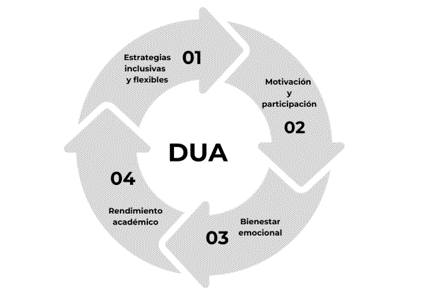
The points outlined above are graphically summarized in the following figure:
Figure 1.
Systematization of the results of the discussion
Source: own elaboration.
Note: The figure appears in its original language. The figure illustrates the study’s main findings: UDL is an educational framework that, through the development of inclusive and flexible pedagogical strategies, positively impacts students’ motivation, participation, emotional well-being, and academic performance.
CONCLUSIONS
This study presents UDL (Universal Design for Learning) as an educational framework grounded in scientific evidence that has evolved over time to offer guidelines fostering curriculum flexibility as well as inclusive and engaging education. Its latest developed version (3.0) promotes strategies designed to grant students a more central role; furthermore, it takes into account the significance of their socioeconomic, social, and cultural contexts. This consideration impacts the teaching-learning process by acknowledging that students do not fit a single profile and that classrooms are characterized by their inherent variability—a reality suggesting that educators are called upon to adopt inclusive educational models.
The study found that UDL had a positive impact within the specific context under investigation. Students perceived that classes incorporating UDL enhanced both their learning and their motivation toward the course. This positive effect was further reflected in their strong performance on assessments, as well as in their attendance and classroom participation—findings that align with research conducted by other authors across various educational settings.
Key highlights regarding UDL include the fact that this framework injects dynamism into classes; educators are required to make the curriculum flexible and deliver content through a variety of strategies and media. This approach enables students to learn and acquire knowledge through diverse channels—including text, audio, video, and oral communication—thereby rendering the learning process more meaningful and enjoyable.
It is worth noting that the inclusion of opportunities for relaxation or mental breaks helps students regulate stress and fosters a climate of trust within the classroom, thereby serving to reinforce the UDL principle of engagement. Additionally, receiving both oral and written feedback during the knowledge-construction process boosts students’ desire to learn and alleviates anxiety associated with submitting final assessments.
Furthermore, it is important to emphasize that the implementation of UDL in the classroom yields positive effects on students’ emotional well-being, as they perceive a heightened level of commitment from their educators regarding their learning. Moreover, by engaging in varied activities, students develop a more positive perception of the course, resulting in increased motivation. It is emphasized that the implementation of UDL entails a significant planning process; furthermore, it is preferable for educators to possess proficiency in information and communication technologies. Although not strictly indispensable, these technologies enable the design of diverse instructional resources, facilitate the transition of classes to a virtual format, and serve as useful tools for enhancing the accessibility of instructional materials. Implementation also necessitates a paradigm shift in the design and development of coursework, as educators must remain open to modifying their strategies—for instance, by incorporating a greater number of gamification activities. Consequently, it is recommended that UDL principles be implemented when sufficient time is available for instructional planning, when information regarding the characteristics, circumstances, and needs of the students is at hand, and when there is a willingness to adopt a more personalized approach to the course.
It is fundamental to understand that inclusion in higher education entails not merely physical access, but also the implementation of policies and practices designed to guarantee the participation and academic success of all students.
Finally, it is highlighted that educating the community about UDL—and dispelling myths surrounding inclusive education—is of paramount importance. This is particularly true given the significant challenges that persist in achieving inclusivity within the university setting, as well as the attitudinal barriers that perpetuate the misconception that inclusive education should be directed exclusively toward students with disabilities. In reality, however, variability within a classroom can stem from a multitude of factors, reflecting the diverse requirements students may have in order to achieve meaningful learning. It is therefore recommended that educators receive guidance and training regarding this educational framework, taking into account that CAST has conducted—and continues to conduct—research supporting UDL for over two decades.
Future lines of research and limitations
It is recommended to broaden the scope of this study by incorporating mixed methodologies that integrate both quantitative and qualitative perspectives. This approach aims to yield more robust data regarding the impact of Universal Design for Learning (UDL) on the emotional well-being and learning of university students. Furthermore, it is suggested that the study include an assessment of UDL’s impact on academic performance—specifically through the integration of learning assessments—thereby extending the scope of the research beyond mere student perceptions. It would also be valuable to explore the application of UDL across diverse populations, encompassing various academic disciplines, educational levels, and sociocultural contexts. Additionally, it is crucial to delve deeper into the challenges faced by educators—particularly regarding technological proficiency and curriculum planning—in order to design more effective training programs that facilitate the successful implementation of UDL. It is also suggested that future research investigate how specific educational needs influence the effectiveness of inclusive strategies, and explore the potential of innovative approaches—such as gamification and collaborative learning—to enhance emotional well-being and meaningful learning across various educational settings. Finally, the development of longitudinal studies is strongly encouraged, as such research could provide empirical evidence regarding the sustained effects of UDL on both academic performance and student retention.
Regarding the study’s limitations, the research was, firstly, conducted over the course of a single academic term—a relatively brief period for observing profound transformations in both teaching practices and student learning outcomes. This limited duration precluded the execution of a longitudinal follow-up, which would have allowed for an analysis of the sustainability of observed changes or the evolution of pedagogical processes over time.
Furthermore, the sample size was relatively small and confined to a specific group, thereby limiting the generalizability of the findings to other educational contexts. The research was conducted within a single educational institution characterized by its own unique institutional attributes; this specific context introduces a potential contextual bias that may have influenced both the manner in which the strategies were implemented and how the faculty and students perceived them.
Another pertinent consideration is the potential for institutional bias, given that the institution’s inherent dynamics—including its organizational culture, pedagogical priorities, and administrative framework—may have influenced faculty participation and student engagement. This may have influenced both the implementation of the activities and the interpretation of the results.
Finally, during the course of the study, disparities became evident regarding access to connectivity and technological resources among some students. This digital divide limited equitable participation in virtual activities and may have affected the quality of the data collected in non-face-to-face settings.
REFERENCES
Alba Pastor, C. (2012). Aportaciones del Diseño Universal para el Aprendizaje y de los materiales digitales en el logro de una enseñanza accesible. https://web.ua.es/es/accesibilidad/documentos/cursos/ice/dua-y-materiales-digitales.pdf
Alba Pastor, C., Zubillaga del Río, A. & Sánchez Serrano, J. M. (2015). Tecnologías y diseño universal para el aprendizaje (DUA): experiencias en el contexto universitario e implicaciones en la formación del profesorado. RELATEC: Revista Latinoamericana de Tecnología Educativa, 14(1), 89-100. https://doi.org/10.17398/1695-288X.14.1.89
Arathoon, A. (2016). Fundamentos neurocientíficos del diseño universal para el aprendizaje: cerebro, aprendizaje y enseñanza. En Alba Pastor, C. (coord.), Diseño Universal para el Aprendizaje: Educación para todos y prácticas de enseñanza inclusivas, 119-126. https://edmorata.es/wp-content/uploads/2020/06/Alba.Disen%CC%83oUniversalAprendizaje.PR_.pdf
Barrón, A. R., & Ramírez, M. H. (2021). Diseño universal de aprendizaje en la enseñanza de la Física. Información tecnológica, 32(6), 73-84. http://dx.doi.org/10.4067/S0718-07642021000600073
Beck Wells, M. (2022). Student perspectives on the use of universal design for learning in virtual formats in higher education. Smart Learning Environments, 9(37), 1-12. https://doi.org/10.1186/s40561-022-00218-6
Borjas García, J. E. (2020). Validez y confiabilidad en la recolección y análisis de datos bajo un enfoque cualitativo. Trascender, contabilidad y gestión, 5(15 septiembre-diciembre), 79-97. https://doi.org/10.36791/tcg.v0i15.90
CAST (2024a). Pautas de diseño universal para el aprendizaje, versión 3.0 [organizador gráfico]. CAST. https://udlguidelines.cast.org/static/udlg3-graphicorganizer_spanish_update_8142024.pdf
CAST (2024b). Universal Design for Learning Guidelines version 3.0. https://udlguidelines.cast.org
Consejo Universitario de la Universidad de Costa Rica. (2000). Reglamento ético científico de la Universidad de Costa Rica para las investigaciones en las que participan seres humanos. https://www.cu.ucr.ac.cr/normativa/etico_cientifico.pdf
Cortés Díaz, M., Ferreira Villa, C. & Arias Gago, A. (2021). Fundamentos del diseño universal para el aprendizaje desde la perspectiva internacional. Revista Brasileira de Educação Especial, 27, 269-284. https://doi.org/10.1590/1980-54702021v27e0065
Díaz Galindo, C. A. (2024). DUA y Desarrollo de Competencias Científicas en el Aula: Aplicación de un Diseño de Aprendizaje Consciente en la Práctica Profesional final (Seminario de título, Universidad de Chile). Repositorio Institucional.
Díaz-Bravo, L., Torruco-García, U., Martínez-Hernández, M. & Varela-Ruiz, M. (2013). Metodología de investigación en educación médica: la entrevista, recurso flexible y dinámico. Investigación en educación médica, 2(7), 162-167. https://www.redalyc.org/pdf/3497/349733228009.pdf
Díez Villoria, E. & Sánchez Fuentes, S. (2015). Diseño universal para el aprendizaje como metodología docente para atender a la diversidad en la universidad. Aula abierta, 43(2), 87-93. http://dx.doi.org/10.1016/j.aula.2014.12.002
Elizondo Carmona, C. (2020). Hacia la inclusión educativa en la universidad: diseño universal para el aprendizaje y la educación de calidad. Ediciones Octaedro.
Expósito-Casas, E., & González-Benito, A. (2020). Prevención del fracaso escolar a través de la acción tutorial. Editorial Sanz y Torres S.L.
Figueroa Zapata, L. A., Ospina García, M. S., & Tuberquia Tabera, J. (2019). Prácticas pedagógicas inclusivas desde el diseño universal de aprendizaje y plan individual de ajuste razonable. Inclusión Y Desarrollo, 6(2), 4-14. https://doi.org/10.26620/uniminuto.inclusion.6.2.2019.4-14
Gamboa Sandoval, L. (2024). El rol docente desde el enfoque del Diseño Universal para el Aprendizaje (DUA). Pensamiento Actual, 24(42). https://doi.org/10.15517/pa.v24i42.60249
García-Campos, M. D., Canabal, C., & Alba-Pastor, C. (2020). Executive functions in universal design for learning: Moving towards inclusive education. International Journal of Inclusive Education, 24(6), 660-674. https://doi.org/10.1080/13603116.2018.1474955
Gordon, D. (2024). Universal design for learning: principles, framework and practice. CAST Professional Publishing.
Guevara Alban, G. P., Verdesoto Arguello, A. E., & Castro Molina, N. E. (2020). Metodologías de investigación educativa (descriptivas, experimentales, participativas, y de investigación-acción). RECIMUNDO, 4(3), 163–173. https://doi.org/10.26820/recimundo/4.(3).julio.2020.163-173
Hamui-Sutton, A. & Varela-Ruiz, M. (2013). Metodología de investigación en educación médica: la técnica de grupos focales. Investigación en educación médica, 2(5), 55-60. https://www.scielo.org.mx/pdf/iem/v2n5/v2n5a9.pdf
Hernández Barahona, Y. (2023). Diseño universal de aprendizaje (DUA) en los espacios formativos de las personas adultas. Revista Arjé, 6(1), 1-17. https://doi.org/10.47633/arje.v6i1.616
Hernández-Sampieri, R. & Mendoza-Torres, C. (2018). Metodología de la investigación: las rutas cuantitativa, cualitativa y mixta. McGrawHill.
Jiménez Gómez, R. (2025). Políticas para el cierre de la brecha digital en Costa Rica. Revista Rupturas, 15(1), 121-149. https://dx.doi.org/10.22458/rr.v15i1.5671
Katz, J., & Sokal, L. (2016). Universal design for learning as a bridge to inclusion: A qualitative report of student voices. International journal of whole schooling, 12(2), 36-63. https://eric.ed.gov/?id=EJ1118092
Khalid Ahmed, S. (2024). The pillars of trustworthiness in qualitative research. Journal of Medicine, Surgery, and Public Health, 2, 100051. https://doi.org/10.1016/j.glmedi.2024.100051
Kieran, L., & Anderson, C. (2019). Connecting universal design for learning with culturally responsive teaching. Education and Urban Society, 51(9), 1202-1216. https://doi.org/10.1177/0013124518785012
Lavrysh, Y., & Ruhlow, D. (2024). Crisis–Challenge–Coherence: Combining Universal Design for Learning and Sense of Coherence. Multidisciplinary Journal for Education, Social and Technological Sciences, 11(2), 137-164. https://doi.org/10.4995/muse.2024.21307
Logan, M. (2019). Exploring the impact of universal design for learning on graduation persistence of student-veterans: a quantitative study (Tesis doctoral). Northcentral University, Estados Unidos.
Mayes, J. (2020). UDL and motivation: students perceptions of the impact of universal design for learning on motivation of first-year community college students in rural east Tennessee [Tesis doctoral]. East Tennessee State University. https://dc.etsu.edu/cgi/viewcontent.cgi?article=5161&context=etd
Meydan, C. H., & Akkaş, H. (2024). The role of triangulation in qualitative research: converging perspectives. En Elhami, A., Roshan, A. & Chandan, H. (eds.). Principles of conducting qualitative research in multicultural settings (pp. 98-129). IGLI Global. https://www.irma-international.org/viewtitle/351942/?isxn=9798369333068
Moriña, A. (2017). Inclusive education in higher education: challenges and opportunities. European Journal of Special Needs Education, 32(1), 3-17. https://doi.org/10.1080/08856257.2016.1254964
Nance, C. R. (2022). Student engagement and universal design for learning (UDL): A community college case study (Tesis doctoral). San José State University, Estados Unidos. https://doi.org/10.31979/etd.abm2-v3ts
Nin Piriz, M. M., & Tamayo Ancona, M. E. (2024). Diseño universal para el aprendizaje (DUA) y su impacto en la educación inclusiva en formación docente: revisión sistematizada 2016-2022. MLS Educational Research (MLSER), 8(2). https://doi.org/10.29314/mlser.v8i2.2394
Pacheco Jiménez, J.F. (2024). Informe Estado de la Nación en Desarrollo Humano Sostenible 2024: Desigualdades territoriales en el acceso a los servicios de salud pública (CCSS). Programa Estado de la Nación. https://repositorio.conare.ac.cr/server/api/core/bitstreams/0c7aaebe-4377-4cd4-8a80-150c1065c0c4/content
Rappolt-Schlichtmann, G., Todd, K., & Daley, S. (2020). Universal design for—emotion in—learning: a practice for the creation of emotionally accessible digital learning experiences. En Inclusive digital interactives: best practices and research (pp. 141-166). Access Smithsonian, Institute for human centered design, MuseWeb. https://informalscience.org/wp-content/uploads/2022/04/5_Universal-Design-for-Emotion-Chapter.pdf
Rodríguez Morales, J. E., & Jaramillo Baliños, A. G. (2025). Didáctica en contextos de vulnerabilidad con insuficiente infraestructura tecnológica. Revista Holón, 3(9), 18-32. https://doi.org/10.48204/j.holon.n9.a7717
Ruiz Bel, R., Solé Salas, L., Echeita Sarrionandía, G., Sala Bars, I., & Datsira Gallifa, M. (2012). El principio del Universal Design. Concepto y desarrollos en la enseñanza superior. Revista de Educación, 359, 413-430. http://dx.doi.org/10.4438/1988-592X-RE-2011-359-100
Sala Bars, I., Sánchez Fuentes, S., Giné Giné, C., & Díez Villoria, E. (2014). Análisis de los distintos enfoques del paradigma del diseño universal aplicado a la educación. Revista Latinoamericana de Educación Inclusiva, 8(1), 143-152. https://revistas.ucentral.cl/revistainclusiva/article/view/8_1_011
Segura-Castillo, M. & Quirós-Acuña, M. (2019). Desde el Diseño Universal para el Aprendizaje: el estudiantado al aprender se evalúa y al evaluarle aprende. Revista Educación, 43(1), 643–655. https://doi.org/10.15517/revedu.v43i1.28449
Sewell, A., Kennett, A., & Pugh, V. (2022). Universal Design for Learning as a theory of inclusive practice for use by educational psychologists. Educational Psychology in Practice, 38(4), 364-378. https://doi.org/10.1080/02667363.2022.2111677
Thorp, A. F. (2008). Study of the impact of universal design for learning in the elementary classroom (Tesis doctoral). Northcentral University, Estados Unidos. https://www.proquest.com/docview/304819240
Troy, D., Anderson, J., Jessiman, P. E., Albers, P. N., Williams, J. G., Sheard, S., ... & Kidger, J. (2022). What is the impact of structural and cultural factors and interventions within educational settings on promoting positive mental health and preventing poor mental health: a systematic review. BMC public health, 22(1), 524. https://doi.org/10.1186/s12889-022-12894-7
Zannan Alghamdy, R. (2023). The effect of universal design for learning on the proficiency of english as a foreign language students’ acquisition of reading and vocabulary skills. Arab world english journal, 14(2). http://dx.doi.org/10.2139/ssrn.4497547
FINANCING
This research was conducted with the technical support of the PUBLICARE initiative, under the Vice-Rector’s Office for Research at the University of Costa Rica.
CONFLICT OF INTEREST STATEMENT
The authors declare that there are no conflicts of interest.
AVAILABILITY OF DATA AND MATERIALS
The data supporting the findings of this study are not publicly available due to confidentiality restrictions regarding the participants, as stipulated in their informed consent to participate in this research. However, they may be requested from the authors via correspondence, provided a reasonable justification is provided for academic or research purposes.
ACKNOWLEDGMENTS
We gratefully acknowledge the technical support provided by the PUBLICARE initiative of the University of Costa Rica, aimed at supporting women researchers.
We also thank the students enrolled in the courses BI-4012 Information Marketing, BI-5017 Marketing of Services and Products for Educational Information Units, and BI-4005 Seminar-Workshop on Educational Libraries during the Second Semester of 2024, for participating in this research and for contributing their information, participation, and opinions, thereby making this study possible.
STATEMENT ON THE USE OF ARTIFICIAL INTELLIGENCE
No AI was used in the development of this article.
AUTHOR CONTRIBUTIONS
Conceptualization: Graciela Madrigal Chaves, Daniela Rodríguez Valerio.
Data curation: Graciela Madrigal Chaves.
Formal analysis: Graciela Madrigal Chaves, Daniela Rodríguez Valerio.
Investigation: Graciela Madrigal Chaves, Daniela Rodríguez Valerio.
Methodology: Graciela Madrigal Chaves, Daniela Rodríguez Valerio.
Project administration: Graciela Madrigal Chaves, Daniela Rodríguez Valerio.
Writing – original draft: Graciela Madrigal Chaves, Daniela Rodríguez Valerio.
Writing – proofreading & editing: Graciela Madrigal Chaves, Daniela Rodríguez Valerio.
APPENDICES
Appendix 1: Expert interview guide
The following interview guide aims to identify the elements of Universal Design for Learning (UDL) that contribute to the emotional well-being and learning of university students.
• Approximate duration:
• Date and time of interview:
• Interview format:
• Interviewee details:
|
Name: |
|
|
Specialty: |
|
|
Workplace: |
|
Before beginning the interview, permission to record the conversation must be requested.
Indicate each time a new question begins.
Explain how the information provided will be used.
Questions
The following are the questions that make up the interview:
1. What do you consider to be UDL’s primary contribution to the teaching-learning process at the university level?
2. In your opinion, what are the shortcomings of UDL?
3. Leading UDL experts—such as Carmen Alba Pastor—suggest that UDL holds greater potential within the university setting, given the unique characteristics of the student body and the specific conditions present in this context. What is your opinion on this matter?
4. What challenges do we face at the university in applying the principles of UDL?
5. How do you believe UDL contributes to addressing student diversity in higher education, particularly in terms of accessibility and learning?
6. Are there mechanisms or indicators currently in place at the UCR to assess the impact of UDL on student performance and satisfaction?
7. Based on your experience, do you believe that university faculty members are prepared—or adequately trained—to apply the principles of UDL? Furthermore, what kind of training or support would be required to ensure a successful implementation?
8. Could you share a personal experience or a concrete example of how you have utilized UDL within the university setting?
Appendix 2: Focus group guide
Objective: To explore the impact of Universal Design for Learning (UDL) on the emotional well-being and learning of university students.
Date:
Time:
Duration:
Number of participants:
Welcome: Participants are thanked for attending the focus group. The moderators provide a brief explanation regarding the dynamics of the activity, its purpose, and its utility for the course and for research endeavors at the University of Costa Rica.
Initial questions:
• Universal Design for Learning (UDL) was applied in this course. Which UDL practices do you feel facilitated your learning?
• Was there any aspect of UDL that caused you difficulties or frustration?
Development questions:
• What is the first thing that comes to mind when you think about the classes that followed this approach? Describe it using a single word.
• Have you felt that UDL has had any positive or negative impact on your emotional well-being? Please explain.
• How has UDL contributed to you having more meaningful learning experiences in the classroom? For example, you might share an instance of how these practices made your learning feel more relevant or personal.
• Have you noticed any difference in the classroom atmosphere or climate when these practices are applied, compared to more traditional classes?
• How do you feel the use of UDL in your classes has contributed to improving inclusion and supporting your emotional well-being?
Closing questions:
• Overall, how do you feel about UDL regarding its impact on your educational experience?
Additional:
• Do you believe that UDL should be more widely used in other subjects, and why?
• Based on your experience, if you could change one thing about UDL-based practices, what would you suggest to improve both the learning and the emotional well-being of students?
Closing and farewell
We thank everyone present for their time and participation. Refreshments are being served as a token of our appreciation.
Appendix 3: Group interview guide
Objective: To explore the impact of Universal Design for Learning (UDL) on the emotional well-being and learning of university students.
Date:
Time:
Duration:
Number of participants:
Welcome: Participants are thanked for their participation in the workshop and are invited to share their collective perspectives regarding the questions presented below:
1. How did the activities presented during the workshop make you feel? What did you like the most?
2. Was there any moment during the workshop when you felt particularly motivated or unmotivated? Why do you think this happened?
3. Did you feel that the workshop’s inclusive approach (taking into account diverse needs and preferences) helped reduce stress or anxiety during the activities?
4. Of everything you learned during the workshop, what do you think you could apply to future reading engagement activities—both in your role as a facilitator and to foster a positive environment among participants?
5. In a single word, what is your main takeaway from today?