doi: 10.58763/rc2026587
Scientific and Technological Research
Market study for Yipao coffee in Fusagasugá: consumer preferences, purchasing factors, and competitiveness
Estudio de mercado para café Yipao en Fusagasugá: preferencias de consumo, factores de compra y competitividad
Laura Camila Quintero Pérez1  *, María Zolangela Moreno1 *,
Angie Dayanna Alfonso Cuervo1 *
*, María Zolangela Moreno1 *,
Angie Dayanna Alfonso Cuervo1 *
ABSTRACT
Introduction: The global coffee market is transforming, with a growing emphasis on differentiation and sustainability. In this context, Caffé Yipao sought to position itself in Fusagasugá by integrating fair trade, organic products, and an authentic narrative that connects with conscious consumers.
Methodology: This study used a mixed methodology, combining quantitative surveys with qualitative interviews and PESTEL analysis to understand consumer preferences and competitiveness in the local market. Porter’s Five Forces analysis was used to assess the dynamics of the artisanal coffee industry in the region.
Results: The results revealed that consumers in Fusagasugá value intensity, added flavors, and the origin of coffee. Competition is characterized by the presence of small artisanal producers and established brands, requiring Caffé Yipao to pursue a differentiation strategy based on quality, authenticity, and sustainable practices. The threat of substitutes such as tea underscores the need to highlight the unique benefits of artisanal coffee. Opportunities for differentiation were identified through personalized experiences, product innovation, and the use of channels such as e-commerce and experiential tourism.
Conclusion: In conclusion, Caffé Yipao’s success in Fusagasugá will depend on a positioning strategy that emphasizes its differentiated value proposition, a flexible pricing policy that justifies quality and authenticity, and active participation in the local and digital market.
Keywords: Artisanal coffee, competitiveness, consumer preferences, Fusagasugá, sustainability.
JEL Classification: D40, D52, M31.
RESUMEN
Introducción: El mercado global del café se transforma, con un creciente énfasis en la diferenciación y la sostenibilidad. En este contexto, Caffé Yipao buscó posicionarse en Fusagasugá al integrar comercio justo, productos orgánicos y una narrativa auténtica que conecta con consumidores conscientes.
Metodología: Este estudio empleó una metodología mixta, combinando encuestas cuantitativas con entrevistas cualitativas y análisis PESTA para comprender las preferencias de consumo y la competitividad en el mercado local. El análisis de las Cinco Fuerzas de Porter permitió evaluar las dinámicas de la industria del café artesanal en la región.
Resultados: Los resultados revelaron que los consumidores de Fusagasugá valoran la intensidad, los sabores añadidos y el origen del café. La competencia se caracteriza por la presencia de pequeños productores artesanales y marcas consolidadas, lo que exige a Caffé Yipao una estrategia de diferenciación basada en la calidad, la autenticidad y las prácticas sostenibles. La amenaza de sustitutos como el té subraya la necesidad de destacar los beneficios únicos del café artesanal. Se identificaron oportunidades de diferenciación a través de experiencias personalizadas, innovación en productos y el aprovechamiento de canales como el comercio electrónico y el turismo experiencial.
Conclusión: En conclusión, el éxito de Caffé Yipao en Fusagasugá dependerá de una estrategia de posicionamiento que enfatice su propuesta de valor diferenciada, una política de precios flexible que justifique la calidad y la autenticidad, y una activa participación en el mercado local y digital.
Palabras clave: Café artesanal, competitividad, Fusagasugá, preferencias de consumo, sostenibilidad.
Clasificación JEL: D40, D52, M31.
Submitted: 07-08-2025 Revised: 14-11-2025 Accepted: 15-12-2025 Published: 02-01-2026
Editor:
Alfredo Javier Pérez Gamboa
1 Corporación Universitaria del Meta. Villavicencio, Colombia.
Cite as: Quintero Pérez, L. C., Zolangela Moreno, M. y Alfonso Cuervo, A. D. (2026). Estudio de mercado para café Yipao en Fusagasugá: preferencias de consumo, factores de compra y competitividad. Región Científica, 5(1), 2026587. https://doi.org/10.58763/rc2026587
INTRODUCTION
The global coffee market is characterized by its dynamism and a rich, centuries-old history that is deeply embedded in diverse cultures. Today, however, the success of coffee brands goes beyond the simple interplay of supply and demand; it increasingly hinges on the unique character infused into their marketing strategies. Against this backdrop, Café Yipao sought to establish a distinctive market position by combining a fair-trade and organic product approach with an authentic brand narrative. This strategy aimed to connect with consumers who value sustainability and the origins of the goods they purchase.
Coffee consumption has undergone a remarkable evolution in recent decades. From the rise of specialty coffee shops to the growing demand for organic and fair-trade products, consumer habits and preferences are constantly shifting. Furthermore, globalization and technological innovations have transformed coffee supply chains and distribution channels. In response to these dynamics, Café Yipao adopted a strategy that harmonizes coffee-growing traditions with emerging trends that prioritize personalization and the brand experience.
This study employed a mixed-methods approach, combining qualitative and quantitative techniques to gain a comprehensive understanding of the market. Through consumer surveys, expert interviews, and the analysis of secondary data, the study identified emerging trends and significant opportunities. These tools facilitated the collection and detailed analysis of information, supporting the formulation of strategic decisions aimed at fostering Café Yipao’s sustainable growth.
The coffee market is in a state of constant evolution, driven by product innovation, fluctuations in green coffee prices, and changing consumer trends. Yet, despite the market’s global significance, there is a notable lack of detailed studies regarding the commercialization of artisanal coffee in specific producing regions—such as Fusagasugá, known as “Ciudad Jardín de Colombia.” This city has been involved in coffee production for decades, with small-scale growers combining traditional techniques with modern, sustainable methods. However, there is a lack of sufficient statistical and demographic data to gain a deep understanding of local consumer behavior, which hinders the formulation of effective marketing strategies.
The lack of this information had direct repercussions on the competitiveness of coffee produced in Fusagasugá, restricting local producers’ access to broader markets and increasingly discerning consumers. Consequently, understanding the needs and preferences of coffee customers became essential, particularly in a market demanding differentiated products—such as organic, fair-trade, or specialty coffees. The absence of prior studies on the marketing dynamics of artisanal coffee not only hindered local producers’ ability to position themselves in a competitive market but also limited the potential to improve product quality, identify new business opportunities, and foster local entrepreneurship. Therefore, conducting an in-depth analysis of these aspects was crucial; this analysis encompassed statistical data on Fusagasugá’s coffee-growing community, consumption trends, and the socioeconomic factors influencing the marketing of artisanal coffee. This approach made it possible to identify opportunities for growth and improvement for coffee growers while also tailoring the product offering to the specific demands of local and global markets, thereby strengthening the region’s competitiveness. The research question guiding this study was: How can the best implementation strategy be determined to position Café Yipao as the preferred beverage in Fusagasugá?
Artisanal coffee production in Fusagasugá contributes to the local economy while also strengthening the region’s cultural identity. Small-scale coffee growers, organized into cooperatives, have the opportunity to access wider markets and secure better prices for their products. Furthermore, the growth of coffee tourism has attracted visitors interested in learning about the coffee production process and tasting local products. In this context, the present study is particularly significant, given that coffee is not only a crop of global importance but also plays a crucial role in the economic and cultural sustainability of numerous regions, including those in Latin America, Africa, and Asia. The central objective of this research was to understand how emerging trends and market needs could be effectively integrated into the commercial strategy of artisanal coffee producers in Fusagasugá. To address this issue, a mixed-methods research design was adopted, enabling a comprehensive view of the market.
This approach was deemed the most suitable, as it combined the collection of quantitative and qualitative data, thereby facilitating a deep understanding of commercial dynamics and consumer behavior. On one hand, quantitative data allowed for the identification of consumption patterns and preferences, while qualitative data provided detailed insight into the experiences and expectations of key sector stakeholders, such as producers and consumers.
This mixed-methods approach not only addressed the central research question—which sought to determine the opportunities and challenges involved in marketing artisanal coffee—but also offered concrete solutions to optimize the value chain. By analyzing factors such as coffee production, distribution, and consumption, the study aimed to identify commercial strategies that would strengthen the competitiveness of local coffee growers, improve the sustainability of their practices, and boost market profitability.
The study sought to explore and enhance the coffee value chain—from production to final consumption—in order to identify challenges and opportunities throughout the process and propose solutions that would benefit Café Yipao. Ultimately, this research has the potential to generate a positive impact on multiple levels: from improving the living conditions of small-scale producers to enriching academic knowledge regarding the marketing of artisanal coffee. By promoting more sustainable and equitable agricultural practices, this work aimed to foster the region’s economic and social development while strengthening its cultural identity and its ability to compete in an increasingly demanding global market.
Conceptual framework
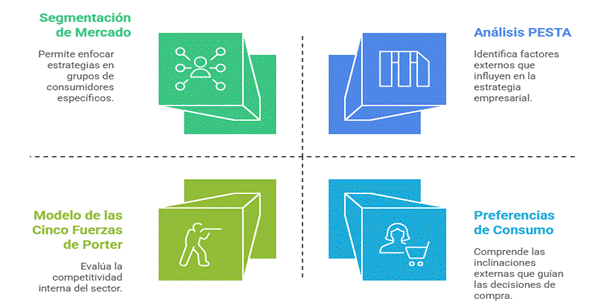
This study is grounded in a series of fundamental concepts that shape the understanding of the artisanal coffee market in Fusagasugá. First, market research is addressed as an essential tool for strategic decision-making, aimed at gathering, analyzing, and interpreting relevant information about a specific sector (Gordon & Langmaid, 2022; Valencia Orrego et al., 2022). This process enables the identification of supply and demand characteristics, as well as consumer and competitor behavior. In this context, market segmentation becomes crucial, as it allows for the identification of consumer groups with homogeneous preferences and needs (Casas‐Rosal et al., 2023). This approach is vital for a value proposition like that of Caffé Yipao.
Competitiveness is analyzed through the lens of Porter’s Five Forces model, which provides a framework for understanding the intensity of rivalry within the sector. This model allows for the assessment of pressure exerted by existing competitors, the threat of new entrants and substitute products, and the bargaining power of suppliers and buyers (Jung & Jeong, 2022; Pangarkar & Prabhudesai, 2024). In the artisanal coffee sector, differentiation emerges as a cornerstone of competitiveness, achieved through product quality, traceability, origin, and sustainable practices—aspects that enhance the coffee’s perceived value.
Additionally, a PESTEL analysis (Political, Economic, Social, Technological, and Environmental) is incorporated to understand the macroeconomic environment in which the coffee industry operates. This contextual analysis helps identify external factors that may influence Caffé Yipao’s operations, ranging from government policies supporting the agricultural sector to consumer trends driven by environmental awareness.
Figure 1.
Methodological and conceptual elements underpinning the study
Source: Own elaboration.
Note: The figure appears in its original language.
Finally, consumer preferences are considered a central element. These are understood as the inclinations and tastes of consumers that guide their purchasing decisions. In the coffee market, these preferences extend beyond flavor and intensity to encompass aspects such as sustainability, fair trade, local origin, and the pursuit of sensory experiences that go beyond the mere consumption of the product. A deep understanding of these elements is essential for developing effective marketing strategies that resonate with Caffé Yipao’s target audience (Figure 1).
METHODOLOGY
Research design
The study was structured around a series of detailed steps and methodologies that enabled an understanding of market behavior, consumer preferences, and the viability of a coffee-related product or service. The objective was to gain a comprehensive view of the coffee market and provide well-founded strategic recommendations for the launch of Caffé Yipao in the Fusagasugá market.
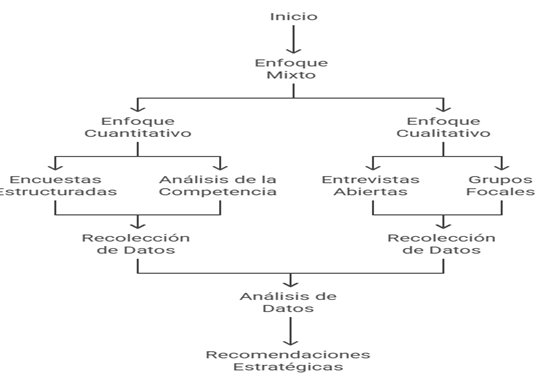
The research employed a mixed-methods approach, combining quantitative and qualitative elements. A non-experimental, descriptive field research design was adopted. According to Hernández-Sampieri and Mendoza (2020), descriptive research focuses on characterizing an event, phenomenon, individual, or group to determine its structure or behavioral patterns. Findings from this type of study provide an intermediate level of insight. This approach made it possible to determine the relationship between market behavior and variables such as coffee intensity or added flavors, thereby allowing for the prediction of consumer preferences (Figure 2).
Figure 2.
General methodological pathway
Source: Own elaboration.
Note: The figure appears in its original language.
Quantitative approach
The quantitative component focused on collecting numerical data regarding consumption preferences. Statistics were gathered on the number of coffee consumers, purchase frequency, and the prices consumers are willing to pay. To this end, structured surveys featuring closed-ended questions were used. Analyzing these responses facilitated the measurement and study of trends in numerical terms. Additionally, a competitive analysis was conducted by evaluating the number of competitors, their prices, and their market share, providing a quantifiable overview of competitiveness in the local market.
Qualitative approach
In parallel, the qualitative approach sought to gain deeper insight into consumer motivations, perceptions, and experiences. Open-ended interviews and focus groups were employed as primary methods to explore these aspects. This approach enabled the investigation of emotional and social factors—such as brand image, consumers’ emotional connection to coffee, and cultural elements influencing purchasing decisions—that do not lend themselves to numerical measurement (Pérez Gamboa et al., 2024). Additionally, broader market trends and consumer preferences extending beyond quantitative data—such as interest in specialty or sustainable coffees—were analyzed.
Data collection and analysis
Data collection was carried out using various instruments. Structured questionnaires were used for surveys, question guides for interviews, and field notes for direct observation. The latter technique complemented the surveys by allowing for the observation of points of sale and consumer behavior in coffee shops and cafés in Fusagasugá. The data obtained—both quantitative and qualitative—were processed and analyzed to provide a comprehensive understanding of the market and to support the strategic recommendations proposed.
RESULTS
PESTEL Analysis
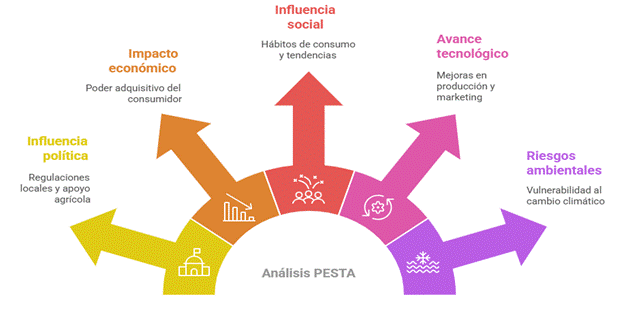
To understand the context in which Caffé Yipao would operate in Fusagasugá, a PESTEL analysis was conducted, evaluating the political, economic, social, technological, and environmental environments (Figure 3).
Figure 3.
PESTEL analysis results
Source: Own elaboration.
Note: The figure appears in its original language.
The political climate in Fusagasugá—and Cundinamarca in general—exerts considerable influence on the coffee industry through local regulations, agricultural support policies, and the nature of relationships with producers. Government policies focused on rural development and sustainable agriculture were identified as potential direct benefits to Caffé Yipao, as they create a favorable framework for its operations.
The economic environment directly impacts consumer purchasing power, production costs, and the demand for premium products like Caffé Yipao. A consumer market that values local products was observed in Fusagasugá; however, current economic conditions noticeably influence the population’s consumption habits.
Coffee consumer behavior in Fusagasugá is strongly influenced by consumption habits, lifestyle trends, and the deeply rooted local coffee culture. A growing consumer preference for artisanal, sustainable, and locally sourced products was noted, presenting an opportunity for Caffé Yipao.
Technological innovation in the coffee sector has enabled significant improvements in production, marketing, and distribution processes. This technological evolution could become a key factor in the development and market positioning of Caffé Yipao.
The coffee industry is inherently vulnerable to environmental changes. Consequently, it was crucial for Caffé Yipao to consider both the risks associated with climate variations and the opportunities for differentiation arising from the implementation of sustainable practices within its business model.
Porter’s Five Forces analysis
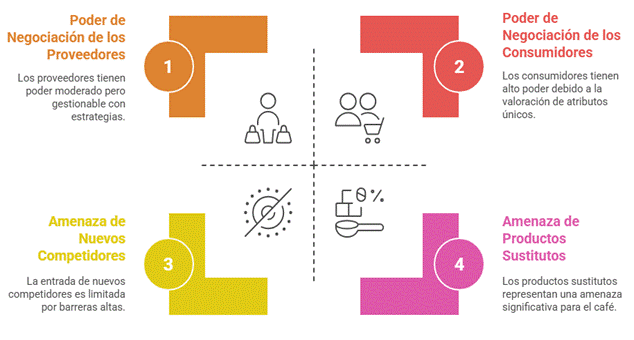
The coffee industry—and specifically the artisanal coffee segment, such as that offered by Yipao—operates within a highly dynamic competitive environment. To understand the forces shaping this market, Porter’s Five Forces model was applied. This analysis made it possible to evaluate the business’s profitability and competitiveness by considering factors such as the threat of new entrants, the bargaining power of suppliers and buyers, rivalry among existing competitors, and the threat of substitute products.
In Yipao’s case, its emphasis on artisanal quality and sustainability provides competitive advantages. However, it also faces challenges in a market perceived as increasingly saturated. Understanding these forces proved key to formulating effective strategies to ensure growth and differentiation in a context where coffee is not merely a beverage, but an experience that consumers value with increasing intensity (Figure 4).
Figure 4.
Analysis of competitive forces in the artisanal coffee market
Source: Own elaboration.
Note: The figure appears in its original language.
Each of these forces was subsequently examined to provide a comprehensive view of the artisanal coffee competitive landscape.
Rivalry among competitors
The coffee market in Fusagasugá exhibits significant competition among companies offering industrially processed ground coffee. However, artisanal coffee—produced using traditional methods and prioritizing superior quality—clearly distinguishes itself within this competitive environment. This distinctiveness allows artisanal coffee companies to attract consumers seeking an authentic experience and a high-quality product.
Threat of new entrants
The threat of new entrants into the artisanal coffee market was considered moderate. Although the number of companies offering this type of product is limited, high production costs and the need for an effective marketing strategy act as barriers to entry for new competitors. Established companies in the sector must consolidate their presence and foster customer loyalty to mitigate the potential emergence of new market players.
Threat of substitute products
The threat of substitute products, such as tea and energy drinks, is significant. These products have the capacity to attract consumers seeking alternatives to coffee. To address this threat, artisanal coffee companies must highlight the unique benefits of their products—such as superior quality and the absence of chemicals—to differentiate themselves from alternatives and capture consumers who value these attributes.
Bargaining power of suppliers
Supplier bargaining power was estimated to be moderate. While coffee suppliers have leverage due to constant product demand, companies can manage this power by establishing strong relationships and negotiating favorable terms. Diversifying the supply chain and seeking competitive agreements also help control costs and maintain a market advantage. This aligns with the data and assessments provided by Trujillo Prada et al. (2025).
Bargaining power of consumers
Consumer bargaining power is high in the artisanal coffee market. Consumers value coffee’s differentiating characteristics—such as health benefits and chemical-free quality—even above price. Companies must focus their efforts on highlighting these unique attributes and maintaining high quality standards to justify the price and meet consumer expectations (Mercado Sánchez, 2024).
Supply and market study
Colombia’s coffee offering is distinguished by its high quality and consistent production, underpinned by ideal geographic and climatic conditions, as well as the adoption of advanced technologies and sustainable practices. However, the sector faces significant challenges that require attention in order to maintain its position in the global market and capitalize on emerging opportunities. Colombia has established itself as a leading global coffee producer, recognized for the excellence of its product. Coffee production in the country focuses predominantly on the Arabica variety, prized for its smooth flavor and balanced acidity.
The market study sought to demonstrate the viability of artisanal coffee, based on the recognition of coffee as both a vehicle for capital accumulation and one of the country’s most popular beverages. Café Yipao is produced by processing beans from the Castillo coffee variety, which are pulped, roasted, and ground. This artisanal process—spanning from cultivation to distribution—aims to satisfy consumers who prefer the bitter taste that characterizes this product in households.
Demand Analysis
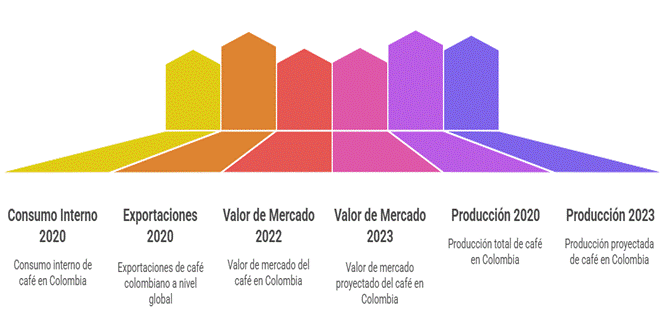
According to the National Federation of Coffee Growers of Colombia (FNC), domestic coffee consumption in the country has shown sustained growth. In 2020, domestic consumption was estimated at approximately 1.8 million 60-kg bags. Colombia remains one of the world’s largest coffee producers and exporters. In 2020, Colombian coffee exports exceeded 13 million 60-kg bags, with key destinations including the United States, Germany, Japan, and other European countries.
Coffee consumption in Colombia experienced significant expansion; it was projected to exceed COP 2.8 trillion in 2023, up from the COP 2.47 trillion recorded in 2022. This represented a 28% increase compared to the previous year. This growth suggests that coffee is a central product in both professional and social spheres—a frequent choice for meetings or simply a way to recharge during the workday. Emerging market trends lead analysts to forecast that the sector’s value could reach $3 billion.
Total coffee production in Colombia is equally significant for understanding the context of both domestic and export markets. In 2020, national production stood at approximately 14 million 60-kg bags. According to the FoNC, Colombia once again solidified its position as the world’s third-largest coffee producer in 2023, with a projected output of 10.6 million bags. While Colombian coffee dominates the international market and is highly prized globally, local consumption is becoming increasingly important to the country’s coffee dynamics. This analysis highlights that coffee is more than just a beverage; it is an essential part of daily life in Colombia, exerting a significant cultural, social, and economic impact on Colombian society (Figure 5). In this sense, it is a matter of heritage and identity linked to management itself, as noted by Martín Zamora et al. (2024).
Figure 5.
Growth of the coffee market in Colombia
Source: Own elaboration.
Note: The figure appears in its original language.
Coffee-growing regions and exports
The main coffee-producing regions in Colombia are the Coffee Axis (comprising the departments of Caldas, Quindío, and Risaralda), Antioquia, Huila, Tolima, Nariño, and Cundinamarca. These areas are characterized by geographical and climatic conditions that are ideal for coffee cultivation. In recent years, coffee production in Colombia has remained relatively stable, with an annual output ranging between 13 and 14 million 60-kg bags.
Colombia ranks among the world’s largest coffee exporters, directing the majority of its production to international markets. Key destinations for Colombian coffee include the United States, the European Union (particularly Germany, France, and Italy), Japan, and Canada. Colombian coffee is highly valued in the international market for its superior quality, smooth flavor, and distinctive aroma. The bulk of exported coffee consists of the Arabica variety, which is renowned for its high quality.
Challenges in the international market
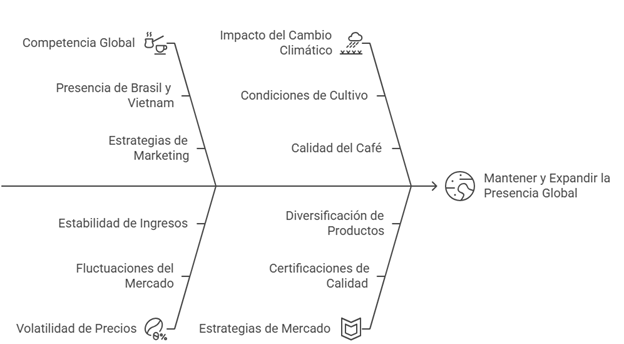
Despite its strength and reputation for high quality, Colombian coffee faces significant challenges in the international market that require innovative and sustainable strategies to maintain and expand its global presence (Figure 6). Among these challenges is global competition, given that other producing countries—such as Brazil and Vietnam—also maintain a strong market presence.
Coffee price volatility affects the stability of producers’ income. Furthermore, climate change impacts growing conditions and can influence both coffee production and quality. Quality certifications, promotional campaigns, and product diversification are considered key to the continued success of Colombian coffee in the international arena.
Price analysis
Within the context of the artisanal coffee market, a price comparison was conducted to gain insight into perceived value and consumer expectations. Examples of artisanal coffees illustrating market price variability are presented below:
• La Loma – Café Selección (500 g): Produced in the department of Caldas, featuring a medium roast and flavors of chocolate and nuts; priced at $25,500.
• Café Santander (340 g / 12 oz): This coffee is described as having a delicate, creamy body with sweet, fruity, and herbal flavors, along with notes of tobacco, sugarcane, vanilla, and jasmine; priced at $49,900.
• Boconó Etiopía – Yirgacheffe Natural (1 kg): A naturally processed Ethiopian coffee of the Heirloom–Yirgacheffe variety, featuring notes of peach, cocoa, and ripe fruit; priced at $130,579..
Figure 6.
Global market challenges for Colombian coffee
Source: Own elaboration.
Note: The figure appears in its original language.
This comparison demonstrates that the price of artisanal coffee fluctuates significantly, influenced by factors such as the region of origin, processing methods, sensory characteristics, and product exclusivity. Consumers of artisanal coffee tend to value these distinctive attributes over price, allowing brands to set prices that reflect the quality and experience they offer.
Sector Analysis
Fusagasugá, located in the department of Cundinamarca, is a region with favorable climatic conditions for coffee cultivation. Its altitude and climate provide an ideal environment for producing high-quality coffee, and the area is renowned for its coffee-growing heritage and strategic location within the Sumapaz province.
The region boasts a growing community of small and medium-sized producers who have adopted artisanal methods for coffee cultivation and processing. These practices focus on sustainability and the preservation of local varieties. The local artisanal coffee offering includes varieties such as Caturra, Castillo, and Típica—known for their unique flavor profiles—which adds value to the product in specialized markets.
Coffee consumption in Fusagasugá and the surrounding areas is a deeply rooted tradition, with steady demand from both local consumers and tourists. Interest in high-quality coffee has steadily increased, benefiting artisanal producers. Fusagasugá’s artisanal coffee has the potential to expand beyond local markets. There are market niches—both domestic and international—that value products with a designation of origin and fair trade practices. A growing trend toward consuming organic, sustainable products with a story behind them favors the sale of artisanal coffee; consumers increasingly value traceability and the narrative accompanying the products.
Competitor analysis
Despite the growth of artisanal producers, Fusagasugá faces competition from other coffee-growing regions in Colombia—such as Huila, Tolima, and the Coffee Axis—which also produce high-quality artisanal coffee. In this context, Fusagasugá producers must focus on differentiation through quality, origin, and certification of sustainable and organic practices, targeting both local and national markets.
The producers’ stories and the region’s unique cultivation techniques can serve as key differentiators that highlight the authenticity of Fusagasugá coffee. Furthermore, communicating a commitment to fair trade and sustainability has the potential to attract conscious consumers in the national market who value these practices. By positioning themselves with a strong, distinctive value proposition, Caffé Yipao and other regional producers can effectively compete in both local and national markets.
Marketing strategies
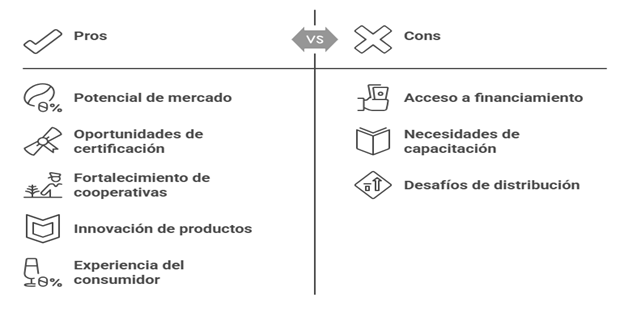
Many artisanal producers in Fusagasugá face difficulties in accessing the financing needed to improve production and expand marketing capacity. Training in sustainable farming techniques, post-harvest handling, and marketing strategies is critical for maintaining and enhancing coffee quality. Furthermore, distributing coffee from Fusagasugá to more distant markets can be costly and complex, limiting access to certain market segments.
Obtaining certifications—such as organic, Fair Trade, or Designation of Origin—has the potential to open up new opportunities and increase the coffee’s value. Forming cooperatives or producer associations would strengthen bargaining power and facilitate market access. Additionally, developing new product formats, such as coffee pods or limited editions, could attract new consumer segments.
The artisanal coffee market in Fusagasugá holds great potential, driven by product quality and the growing demand for sustainable, value-added products. To capitalize on these opportunities, producers must focus on differentiation, continuous quality improvement, and the exploration of new marketing channels—both physical and digital.
In this context, the relationship between flavor and intensity becomes essential at points of sale. Offering tastings that highlight the unique characteristics of Fusagasugá coffee can foster an emotional connection with consumers, who seek an experience rather than just a product. Cooperation among producers and support through public policy will be key factors for long-term success in this sector (Figure 7).
Figure 7.
Strengths and challenges for coffee in Fusagasugá
Source: Own elaboration.
Note: The figure appears in its original language.
Product or service concept
The concept of artisanal coffee rests on several pillars that define its value proposition. It entails selecting high-quality beans, typically sourced from small farms in regions renowned for their ideal coffee-growing conditions. The customized roasting process is a crucial stage, during which roasters fine-tune the method to highlight the unique flavor profiles of each batch of beans, moving away from standardized approaches.
Specialized brewing methods are also employed, ranging from French press, pour-over, and high-quality espresso to more traditional techniques like Turkish coffee. A focus on sustainability is essential, as many artisanal coffee brands prioritize ethical and sustainable practices—such as fair trade, organic farming, and carbon footprint reduction.
Beyond the product itself, artisanal coffee focuses on delivering a personalized customer experience. This may include tailored recommendations, detailed information regarding the coffee’s origin, and a welcoming atmosphere at the serving locations. Finally, innovation and creativity are constant elements, with producers and baristas experimenting with new flavors, blends, and presentations to offer consumers something distinct and exclusive.
Study of product commercialization
Local markets and fairs serve as a significant platform for selling artisanal coffee in Fusagasugá. Additionally, direct sales to consumers and specialty shops in Bogotá and other nearby cities present an opportunity. E-commerce offers a significant avenue for artisanal coffee producers, as digital platforms can connect them with a broader market, both domestically and internationally. Tourism in Fusagasugá, including visits to coffee farms, provides another channel for direct sales. Experiential tourism—where visitors participate in harvesting and processing the coffee—can enhance the product’s perceived value.
Competitiveness analysis
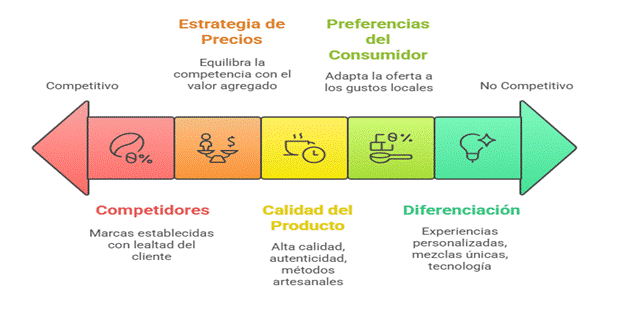
To assess Caffé Yipao’s competitiveness in the Fusagasugá market, a fundamental analysis was conducted regarding various key factors influencing its positioning relative to other coffee products in the region. This evaluation took into account competitor offerings, consumer preferences, product quality, pricing strategy, and opportunities for differentiation.
Figure 8.
Representation of the competitiveness analysis for Yipao coffee
Source: Own elaboration.
Note: The figure appears in its original language.
The following is a comprehensive analysis of the factors impacting Caffé Yipao’s competitiveness, based on market research conducted in the municipality that evaluated various aspects of the competitive landscape and consumer behavior.
Competitive offering
Analyzing the competition was crucial to understanding Caffé Yipao’s position relative to other artisanal coffee brands in the region. Identifying key competitors—along with their strengths, weaknesses, market share, and marketing strategies—made it possible to draw comparisons and pinpoint opportunities for product differentiation. It was observed that the strongest competitors stood out due to both product quality and the ability to offer products at more competitive price points.
Consumer preferences
Market research revealed that consumers in Fusagasugá value factors such as coffee intensity, added flavors, and bean origin. This finding indicated that Caffé Yipao needs to tailor its offering to these preferences by providing a product range that includes bold varieties, distinctive flavors, and an origin story that resonates with consumers. Understanding these preferences facilitated product adjustments and helped improve customer relationships.
Product quality
A crucial component of Caffé Yipao’s competitiveness is the perception of quality. In a market where consumers value authenticity and artisanal production methods, Caffé Yipao has the opportunity to position itself as a high-quality option by highlighting its bean selection and roasting processes. Consistent quality and a focus on sustainable practices also emerged as key elements for maintaining a competitive advantage.
Pricing strategy
Price is a decisive factor in competitiveness. Research showed that many consumers in Fusagasugá consider price an important element when purchasing coffee. Caffé Yipao’s pricing strategy must be flexible enough to compete with lower-priced products while also highlighting the added value of its offering, such as quality and local origin. Setting a price that balances these aspects is essential to capturing a larger market share without compromising profitability.
Differentiation opportunities
Based on the research findings, Caffé Yipao can innovate in ways that distinguish it from the competition. This includes creating personalized consumer experiences, offering exclusive unique blends, or introducing technology into customer service, as highlighted in specialized literature (Jerab & Mabrouk, 2023; Megna Alicio et al., 2024; Tomczyk et al., 2025). For instance, designing a business model that offers coffee-tasting experiences or packaging that tells the story of the coffee’s origin can capture the interest of specific market niches. Adapting to trends and shifts in consumer behavior also provides a competitive advantage (Purcărea et al., 2022).
In summary, Caffé Yipao possesses a range of strengths it can leverage to stand out in the Fusagasugá market. However, it also faces challenges, such as the need to align with consumer preferences and compete on price and quality with other local products. The key to enhancing its competitiveness lies in a well-segmented offering, a focus on quality, and a differentiation strategy that positions it as a unique product in the minds of consumers (Farida & Setiawan, 2022; Santos et al., 2021).
Competitor offerings
The coffee market in Fusagasugá consists primarily of small-scale artisanal coffee producers, local coffee shops, and a few established commercial brands that have solidified their presence in the region. Competition is characterized by products that emphasize bean quality, coffee-making traditions, and consumer experience. Caffé Yipao will need to compete against brands that have already secured consumer loyalty and emphasize the freshness and authentic flavor of local coffee.
Caffé Yipao’s strength lies in its focus on high-quality, locally grown and processed coffee, which gives it an advantage regarding product authenticity and freshness. However, their initial positioning challenge could be the presence of established competitors and the existing preference for local brands.
DISCUSSION
The analysis of the coffee market in Fusagasugá revealed a series of trends reflecting dynamics observed in specialized international literature. The growing preference for artisanal, sustainable, and locally sourced coffees in Fusagasugá aligns with the findings of Ashardiono & Trihartono (2024) regarding global coffee consumption; they highlight a shift toward products characterized by traceability and ethical added value. This suggests that the authenticity and story behind Caffé Yipao could serve as fundamental pillars for its market positioning.
Perception of quality emerges as a crucial factor in Fusagasugá, where consumers value artisanal production methods. This finding aligns with research by Islam & Islam (2025), who identified intrinsic quality and consistency as key determinants in premium coffee purchasing decisions. For Caffé Yipao, the selection of high-quality beans and a customized roasting process serve not only as points of differentiation but also address the rising expectations of modern consumers—trends well-documented in specialty coffee industry literature (Chiang, 2021; Ünan Göktan & Uslu, 2022).
Regarding pricing strategy, while research in Fusagasugá indicated that price is a significant factor, it also showed that consumers value the distinctive characteristics of artisanal coffee beyond mere monetary cost. This behavior diverges somewhat from traditional models that prioritize price as the primary driver, yet it mirrors the conclusions of Zhang et al. (2026); they argue that for products with intrinsic value, consumers are willing to pay a premium if justified by health benefits, sustainability, or a superior experience. A flexible pricing approach for Caffé Yipao—balancing competitiveness with profitability—is essential for capturing a significant market share.
The competitive landscape in Fusagasugá is characterized by the coexistence of small-scale artisanal producers and established brands. This scenario is common in emerging specialty coffee markets, where differentiation is key. Literature highlights the importance of communicating origin stories and sustainable practices as competitive advantages to overcome market saturation (Amoako et al., 2022; Ge et al., 2022). For Caffé Yipao, this entails leveraging its authenticity and local cultivation to strengthen its market position.
The threat posed by substitute products—such as teas and energy drinks—requires Caffé Yipao to emphasize the unique benefits of artisanal coffee, including its superior quality and the absence of chemicals. Bonioli and Bazzani (2025) emphasize that educating consumers about product properties and production processes can mitigate this threat. Such education can foster a deeper connection, encouraging consumers to value the coffee not merely as a beverage, but as part of a conscious lifestyle. Similar strategies are employed by social media influencers due to their effectiveness in driving engagement (Hassen Mehrez et al., 2023; Libai et al., 2025).
Finally, the differentiation opportunities identified in Fusagasugá—such as creating personalized experiences and product innovation—reflect global trends within the sector. Various studies document the success of business models that integrate coffee tasting and product storytelling to build loyalty and appeal within niche markets (Öberg et al., 2024; Yoo et al., 2022). For Caffé Yipao, exploring sales channels such as e-commerce and experiential tourism represents a vital strategy for expanding its reach and consolidating its brand. This approach aligns with market dynamics that facilitate direct connections between producers and consumers (Ferrer-Estévez & Chalmeta, 2023; Guerola-Navarro et al., 2021).
CONCLUSIONS
The market study in Fusagasugá confirmed that Caffé Yipao’s success hinges on a clear differentiation strategy rooted in artisanal quality, local origins, and sustainable practices. These characteristics resonate with local consumer preferences—specifically the value placed on authenticity and product traceability—aligning with global trends in the specialty coffee market.
Caffé Yipao’s competitiveness in Fusagasugá requires a flexible pricing strategy that highlights the product’s added value beyond its cost, without compromising profitability. While price is a purchasing factor, results indicate that perceived quality and differentiating attributes (such as health benefits, organic status, and the product’s backstory) are decisive for consumers, thereby justifying a premium market position relative to competitors.
Opportunities for marketing and growth for Caffé Yipao in Fusagasugá center on experiential innovation and the leveraging of direct sales channels. Initiatives such as tastings, storytelling regarding the coffee’s origins, and the strategic use of e-commerce and experiential tourism emerge as effective ways to build an emotional connection with consumers and expand the brand’s reach beyond the local market.
REFERENCES
Amoako, G. K., Agbemabiese, G. C., Bonsu, G. A., & Sedalo, G. (2022). A Conceptual Framework: Creating Competitive Advantage Through Green Communication in Tourism and Hospitality Industry. En Green Marketing in Emerging Economies (pp. 95–117). Springer International Publishing. https://doi.org/10.1007/978-3-030-82572-0_5
Ashardiono, F., & Trihartono, A. (2024). Optimizing the potential of Indonesian coffee: A dual market approach. Cogent Social Sciences, 10(1), 2340206. https://doi.org/10.1080/23311886.2024.2340206
Bonioli, M., & Bazzani, C. (2025). Consumer behaviour toward “smart” food labels: A systematic literature review using the Technology Acceptance Model. Trends in Food Science & Technology, 165, 105256. https://doi.org/10.1016/j.tifs.2025.105256
Casas‐Rosal, J. C., Segura, M., & Maroto, C. (2023). Food market segmentation based on consumer preferences using outranking multicriteria approaches. International Transactions in Operational Research, 30(3), 1537–1566. https://doi.org/10.1111/itor.12956
Chiang, W.-Y. (2021). Using a data-driven marketing strategy on customer relationship management: An empirical case of urban coffee shops in Taiwan. British Food Journal, 123(4), 1610–1625. https://doi.org/10.1108/BFJ-06-2020-0523
Farida, I., & Setiawan, D. (2022). Business Strategies and Competitive Advantage: The Role of Performance and Innovation. Journal of Open Innovation: Technology, Market, and Complexity, 8(3), 163. https://doi.org/10.3390/joitmc8030163
Ferrer-Estévez, M., & Chalmeta, R. (2023). Sustainable customer relationship management. Marketing Intelligence & Planning, 41(2), 244–262. https://doi.org/10.1108/MIP-06-2022-0266
Ge, B., De Massis, A., & Kotlar, J. (2022). Mining the Past: History Scripting Strategies and Competitive Advantage in a Family Business. Entrepreneurship Theory and Practice, 46(1), 223–251. https://doi.org/10.1177/10422587211046547
Gordon, W., & Langmaid, R. (2022). Qualitative market research: A practitioner’s and buyer’s guide. Routledge.
Guerola-Navarro, V., Oltra-Badenes, R., Gil-Gomez, H., & Iturricha Fernández, A. (2021). Customer relationship management (CRM) and Innovation: A qualitative comparative analysis (QCA) in the search for improvements on the firm performance in winery sector. Technological Forecasting and Social Change, 169, 120838. https://doi.org/10.1016/j.techfore.2021.120838
Hassen Mehrez, K., Khemira, H., & Mohammed Medabesh, A. (2023). Marketing strategies for value chain development: Case of Khawlani coffee-Jazan Region, Saudi Arabia. Journal of the Saudi Society of Agricultural Sciences, 22(7), 449–460. https://doi.org/10.1016/j.jssas.2023.04.004
Islam, Md. M., & Islam, S. (2025). Socioeconomic determinants of coffee intake: A multi-regional analysis. Asia-Pacific Journal of Regional Science. https://doi.org/10.1007/s41685-025-00393-7
Jerab, D. A., & Mabrouk, T. (2023). Strategic Excellence: Achieving Competitive Advantage through Differentiation Strategies. SSRN Electronic Journal. https://doi.org/10.2139/ssrn.4575042
Jung, S. H., & Jeong, Y. J. (2022). A quantitative perspective of Porter’s industry forces framework for investment analysis. Managerial and Decision Economics, 43(1), 48–64. https://doi.org/10.1002/mde.3358
Libai, B., Rosario, A. B., Beichert, M., Donkers, B., Haenlein, M., Hofstetter, R., Kannan, P. K., Van Der Lans, R., Lanz, A., Li, H. A., Mayzlin, D., Muller, E., Shapira, D., Yang, J., & Zhang, L. (2025). Influencer marketing unlocked: Understanding the value chains driving the creator economy. Journal of the Academy of Marketing Science, 53(1), 4–28. https://doi.org/10.1007/s11747-024-01073-2
Martín Zamora, Y., González Espino, Y., & Ramírez Frías, C. H. (2024). Gestión de productos turísticos patrimoniales: Experiencia de desarrollo local desde la Universidad de La Habana. Estrategia Y Gestión Universitaria, 12(1), 1–12. https://doi.org/10.5281/ZENODO.11243792
Megna Alicio, A., Estevez Torres, A., & Vasco Leal, J. F. (2024). Plataformas Tecnológicas: Herramientas para la gestión del conocimiento tecnológico en estudiantes de Licenciatura en Turismo. Estrategia Y Gestión Universitaria, 12(1), 1–19. https://doi.org/10.5281/ZENODO.11123888
Mercado Sánchez, M. E. (2024). Estrategias y logros de la gestión del riesgo: Experiencia en la Universidad Nacional Agraria. Estrategia Y Gestión Universitaria, 11(2), 1–14. https://doi.org/10.5281/ZENODO.10470830
Öberg, C., Larson, M., & Scander, H. (2024). In the interest of the nation: Swedish fika. International Journal of Gastronomy and Food Science, 37, 101003. https://doi.org/10.1016/j.ijgfs.2024.101003
Pangarkar, N., & Prabhudesai, R. (2024). Using Porter’s Five Forces analysis to drive strategy. Global Business and Organizational Excellence, 43(5), 24–34. https://doi.org/10.1002/joe.22250
Pérez Gamboa, A. J., Sánchez Castillo, V., & Gómez Cano, C. A. (2024). El proceso de investigación cualitativa: Herramientas teórico-metodológicas para su desarrollo (1era ed.). Corporación Unificada Nacional de educación superior-CUN. https://libros.cun.edu.co/index.php/editorial-cun/catalog/book/18
Purcărea, T., Ioan-Franc, V., Ionescu, Ş.-A., Purcărea, I. M., Purcărea, V. L., Purcărea, I., Mateescu-Soare, M. C., Platon, O.-E., & Orzan, A.-O. (2022). Major Shifts in Sustainable Consumer Behavior in Romania and Retailers’ Priorities in Agilely Adapting to It. Sustainability, 14(3), 1627. https://doi.org/10.3390/su14031627
Santos, P. M. D., Cirillo, M. Â., & Guimarães, E. R. (2021). Specialty coffee in Brazil: Transition among consumers’ constructs using structural equation modeling. British Food Journal, 123(5), 1913–1930. https://doi.org/10.1108/BFJ-06-2020-0537
Tomczyk, A. T., Buhalis, D., Williams, N. L., & Fan, D. X. F. (2025). Personalization through Co-Creation. En A. Lubowiecki-Vikuk & I. Michalska-Dudek, Customer Insight in Tourism (1a ed., pp. 51–63). Routledge. https://doi.org/10.4324/9781003638193-7
Trujillo Prada, M. A., Quiroga Rojas, D. E., Jara Ochoa, J. Y., & Herrera Moreno, I. A. (2025). Aprendizaje basado en servicio: Gestión del conocimiento en Contaduría y Finanzas en UNIMINUTO. Estrategia Y Gestión Universitaria, 13(1), e8638. https://doi.org/10.5281/ZENODO.15109491
Ünan Göktan, D., & Uslu, T. (2022). Examining the prominent components of the emerging specialty coffee sector in Turkey. Food, Culture & Society, 25(1), 126–148. https://doi.org/10.1080/15528014.2021.1884441
Valencia Orrego, V., Yaneth Hernández, D., & Gómez Cano, C. A. (2022). Analysis of the legality and impact of the minimum collection of the industry and commerce tax from micro-entrepreneurs without income, in Florencia (Caquetá), validity 2020. Salud, Ciencia y Tecnología - Serie de Conferencias, 1, 12. https://doi.org/10.56294/sctconf202286
Yoo, S.-R., Kim, S.-H., & Jeon, H.-M. (2022). How Does Experiential Value toward Robot Barista Service Affect Emotions, Storytelling, and Behavioral Intention in the Context of COVID-19? Sustainability, 14(1), 450. https://doi.org/10.3390/su14010450
Zhang, X., Aw, E. C., & Phau, I. (2026). High Cost, High Cause: Understanding Willingness to Pay a Premium Price for Sustainable Luxury. Psychology & Marketing, 43(5), 1060–1124. https://doi.org/10.1002/mar.70103
FINANCING
None.
CONFLICT OF INTEREST STATEMENT
None.
STATEMENT OF ARTIFICIAL INTELLIGENCE USE
AI was not used in the development of the article
AUTHORSHIP CONTRIBUTION
Conceptualization: Laura Camila Quintero Pérez, María Zolangela Moreno, Angie Dayanna Alfonso Cuervo.
Data curation: Laura Camila Quintero Pérez, María Zolangela Moreno, Angie Dayanna Alfonso Cuervo.
Formal analysis: Laura Camila Quintero Pérez, María Zolangela Moreno, Angie Dayanna Alfonso Cuervo.
Investigation: Laura Camila Quintero Pérez, María Zolangela Moreno, Angie Dayanna Alfonso Cuervo.
Methodology: Laura Camila Quintero Pérez, María Zolangela Moreno, Angie Dayanna Alfonso Cuervo.
Supervision: Laura Camila Quintero Pérez, María Zolangela Moreno, Angie Dayanna Alfonso Cuervo.
Validation: Laura Camila Quintero Pérez, María Zolangela Moreno, Angie Dayanna Alfonso Cuervo.
Visualization: Laura Camila Quintero Pérez, María Zolangela Moreno, Angie Dayanna Alfonso Cuervo.
Writing – original draft: Laura Camila Quintero Pérez, María Zolangela Moreno, Angie Dayanna Alfonso Cuervo.
Writing – proofreading and editing: Laura Camila Quintero Pérez, María Zolangela Moreno, Angie Dayanna Alfonso Cuervo.